


 Cart
Cart
 sales@molnova.com


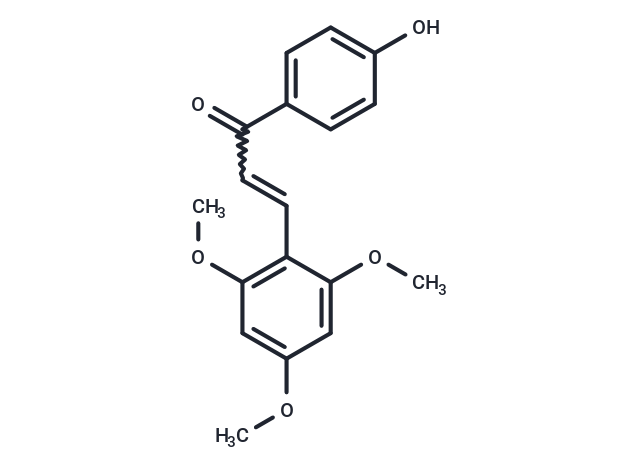
NorA-IN-1
CAS No. 1389310-69-3
NorA-IN-1( —— )
Catalog No. M37304 CAS No. 1389310-69-3
NorA-IN-1 is a NorA efflux inhibitor, which can be used to study overcoming multidrug resistance based on microbial efflux transporter proteins.
Purity : >98% (HPLC)
 COA
Datasheet
HNMR
HPLC
MSDS
Handing Instructions
COA
Datasheet
HNMR
HPLC
MSDS
Handing Instructions
| Size | Price / USD | Stock | Quantity |
| 2MG | 79 | Get Quote |


|
| 5MG | 170 | Get Quote |
|
| 10MG | 275 | Get Quote |
|
| 25MG | 450 | Get Quote |
|
| 50MG | 642 | Get Quote |
|
| 100MG | 871 | Get Quote |
|
| 500MG | Get Quote | Get Quote |
|
| 1G | Get Quote | Get Quote |
|
Biological Information
-
Product NameNorA-IN-1
-
NoteResearch use only, not for human use.
-
Brief DescriptionNorA-IN-1 is a NorA efflux inhibitor, which can be used to study overcoming multidrug resistance based on microbial efflux transporter proteins.
-
DescriptionNorA-IN-1 (Compound 16) is a NorA inhibitor. NorA-IN-1 inhibits NorA efflux pump in everted membrane vesicles. NorA-IN-1 can be used for research of multidrug resistance.
-
In Vitro——
-
In Vivo——
-
Synonyms——
-
PathwayOthers
-
TargetOther Targets
-
RecptorOthers
-
Research Area——
-
Indication——
Chemical Information
-
CAS Number1389310-69-3
-
Formula Weight314.33
-
Molecular FormulaC18H18O5
-
Purity>98% (HPLC)
-
Solubility——
-
SMILESO=C(C=CC=1C(OC)=CC(OC)=CC1OC)C2=CC=C(O)C=C2
-
Chemical Name——
Shipping & Storage Information
-
Storage(-20℃)
-
ShippingWith Ice Pack
-
Stability≥ 2 years
Reference
1. Holler JG, et al. Chalcone inhibitors of the NorA efflux pump in Staphylococcus aureus whole cells and enriched everted membrane vesicles. Bioorg Med Chem. 2012 Jul 15;20(14):4514-21.?
molnova catalog



related products
-
Epinastine HCl
Epinastine is an antihistamine and mast cell stabilizer that is used in eye drops to treat allergic conjunctivitis.
-
CLK8
CLK8 is a selective CLOCK inhibitor that binds to and interferes with CLOCK activity, disrupts the interaction between CLOCK and BMAL1, and modulates circadian rhythm amplitude.CLK8 can be used to study circadian rhythm-related disorders.
-
Ilexoside K
Ilexoside K is a natural product from Ilex pubescens.
