


 Cart
Cart
 sales@molnova.com


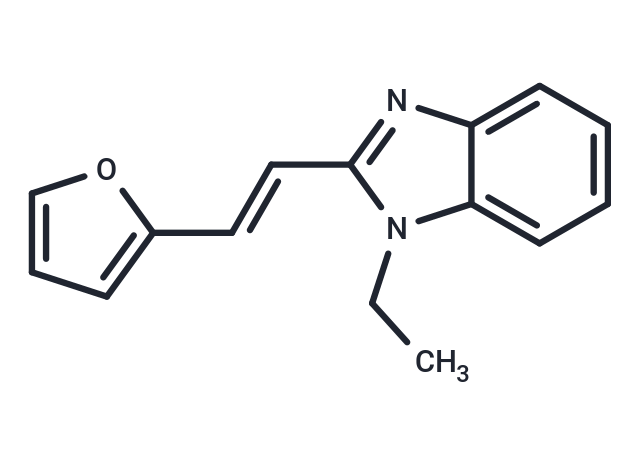
SNX7
CAS No. 685097-43-2
SNX7( —— )
Catalog No. M36989 CAS No. 685097-43-2
SNX7 (WAY-323879) is an inhibitor of the cell cycle protein-dependent kinase inhibitor (CDKI) pathway.
Purity : >98% (HPLC)
 COA
Datasheet
HNMR
HPLC
MSDS
Handing Instructions
COA
Datasheet
HNMR
HPLC
MSDS
Handing Instructions
| Size | Price / USD | Stock | Quantity |
| 10MG | 42 | In Stock |


|
| 25MG | 71 | In Stock |
|
| 50MG | 104 | In Stock |
|
| 100MG | 153 | In Stock |
|
| 200MG | 226 | In Stock |
|
| 500MG | Get Quote | In Stock |
|
| 1G | Get Quote | In Stock |
|
Biological Information
-
Product NameSNX7
-
NoteResearch use only, not for human use.
-
Brief DescriptionSNX7 (WAY-323879) is an inhibitor of the cell cycle protein-dependent kinase inhibitor (CDKI) pathway.
-
DescriptionSNX7 is a Cyclin-Dependent Kinase Inhibitor (CDKI) pathway inhibitor. SNX7 can be used for research of senescence-related and other CDKI-related diseases.
-
In Vitro——
-
In Vivo——
-
Synonyms——
-
PathwayCell Cycle/DNA Damage
-
TargetCDK
-
RecptorCDK
-
Research Area——
-
Indication——
Chemical Information
-
CAS Number685097-43-2
-
Formula Weight238.28
-
Molecular FormulaC15H14N2O
-
Purity>98% (HPLC)
-
Solubility——
-
SMILESCCN1C(\C=C\C2=CC=CO2)=NC2=CC=CC=C12
-
Chemical Name——
Shipping & Storage Information
-
Storage(-20℃)
-
ShippingWith Ice Pack
-
Stability≥ 2 years
Reference
1. Bey-Dih Chang, et al. Cdki pathway inhibitors and uses thereof. Patent. US20090281129.
molnova catalog



related products
-
PF-06873600
PF-06873600 (PF06873600, PF 06873600) is a potent, orally bioavailable inhibitor of cyclin-dependent kinase (CDK) with Ki values of 0.09 nM, 0.13 nM and 0.16 nM for CDK2, CDK4 and CDK6, respectively.
-
AT-7519
A potent CDK2 inhibitor with IC50 of 47 nM; also inhibits CDK1/4/5 with IC50 of 190/67/18 nM and shows selectivity over some kinases (Aurora A, IR kinase, MEK, PDK1, c-Abl, IC50>10 uM).
-
AG-024322
AG-024322 is a potent ATP-competitive inhibitor targeting pan-CDK, effectively inhibiting cell cycle kinases CDK1, CDK2, and CDK4 with Ki values in the 1-3 nM range (1-3 nM).
