


 Cart
Cart
 sales@molnova.com


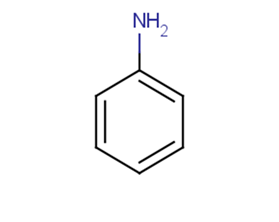
Aniline
CAS No. 62-53-3
Aniline( Phenylamine | Aminobenzen )
Catalog No. M19715 CAS No. 62-53-3
Aniline has been reported to be toxic to the spleen via iron overload and induction of oxidative stress via Heme Oxygenase 1 up-regulation.
Purity : >98% (HPLC)
 COA
Datasheet
HNMR
HPLC
MSDS
Handing Instructions
COA
Datasheet
HNMR
HPLC
MSDS
Handing Instructions
| Size | Price / USD | Stock | Quantity |
| 100MG | Get Quote | Get Quote |


|
| 200MG | Get Quote | Get Quote |
|
| 500MG | Get Quote | Get Quote |
|
| 1G | Get Quote | Get Quote |
|
Biological Information
-
Product NameAniline
-
NoteResearch use only, not for human use.
-
Brief DescriptionAniline has been reported to be toxic to the spleen via iron overload and induction of oxidative stress via Heme Oxygenase 1 up-regulation.
-
DescriptionAniline has been reported to be toxic to the spleen via iron overload and induction of oxidative stress via Heme Oxygenase 1 up-regulation. Toxicity of this agent on the spleen is characterized by hyperplasia fibrosis and vascular congestion in rats. Studies suggest that this compound causes significant increase in both p-IKKα and p-IKKβ which in-turn increases NF-κB and AP-1 binding activity. In other experiments Aniline displays a capacity to induce methemoglobinemia glutathione depletion membrane cytoskeletal changes loss of circulating blood cells and adversely affects blood stability.
-
In Vitro——
-
In Vivo——
-
SynonymsPhenylamine | Aminobenzen
-
PathwayProteasome/Ubiquitin
-
TargetEndogenous Metabolite
-
RecptorHuman Endogenous Metabolite
-
Research Area——
-
Indication——
Chemical Information
-
CAS Number62-53-3
-
Formula Weight93.13
-
Molecular FormulaC6H7N
-
Purity>98% (HPLC)
-
SolubilityDMSO:10 mM
-
SMILESNc1ccccc1
-
Chemical Name——
Shipping & Storage Information
-
Storage(-20℃)
-
ShippingWith Ice Pack
-
Stability≥ 2 years
Reference
1.Bomhard E M Herbold B A . Genotoxic Activities of Aniline and its Metabolites and Their Relationship to the Carcinogenicity of Aniline in the Spleen of Rats[J]. Critical Reviews in Toxicology 2005 35(10):783-835.
molnova catalog



related products
-
trans-Aconitic acid
Trans-Aconitic acid is normally present in normal human urine and it has been suggested that is present in larger amounts with Reye's syndrome and organic aciduria. trans-Aconitic acid is a substrate of enzyme trans-aconitate 2-methyltransferase (EC 2.1.1.144).
-
Tetrahydrobiopterin
Tetrahydrobiopterin (BH4) is a cofactor for aromatic amino acid hydroxylases and an essential cofactor for nitric oxide synthase (NOS), which is used in the study of endothelial dysfunction such as hypertension, hypercholesterolemia, and diabetes.
-
2-Hydroxybutyric aci...
2-Hydroxybutyric acid (α-Hydroxybutyric acid) is a product of protein metabolism and serves as a biomarker for type 2 diabetes and pre-eclampsia.
