


 Cart
Cart
 sales@molnova.com


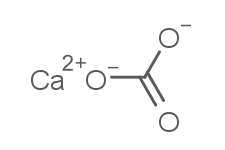
Calcium carbonate
CAS No. 471-34-1
Calcium carbonate( Calcium carbonate | Aeromatt | BRT 1500 )
Catalog No. M18580 CAS No. 471-34-1
Calcium Carbonate is the carbonic salt of calcium (CaCO3).
Purity : >98% (HPLC)
 COA
Datasheet
HNMR
HPLC
MSDS
Handing Instructions
COA
Datasheet
HNMR
HPLC
MSDS
Handing Instructions
| Size | Price / USD | Stock | Quantity |
| 100MG | Get Quote | In Stock |


|
| 200MG | Get Quote | In Stock |
|
| 500MG | Get Quote | In Stock |
|
| 1G | 27 | In Stock |
|
Biological Information
-
Product NameCalcium carbonate
-
NoteResearch use only, not for human use.
-
Brief DescriptionCalcium Carbonate is the carbonic salt of calcium (CaCO3).
-
DescriptionCalcium carbonate is a naturally occurring compound used as a calcium supplement and antacid. Also used in laboratories as a buffer. Shown in renal-disease patients with hyperphosphatemia to contain phosphate binding power, but may result in hypercalcaemia or alkalosis. Other experiments have successfully utilized calcium carbonate as a calcium control in comparison studies.
-
In Vitro——
-
In Vivo——
-
SynonymsCalcium carbonate | Aeromatt | BRT 1500
-
PathwayGPCR/G Protein
-
TargetHistamine Receptor
-
RecptorOthers
-
Research Area——
-
Indication——
Chemical Information
-
CAS Number471-34-1
-
Formula Weight100.09
-
Molecular FormulaCaCO3
-
Purity>98% (HPLC)
-
Solubility——
-
SMILES[Ca++].[O-]C([O-])=O
-
Chemical Namecalcium carbonate
Shipping & Storage Information
-
Storage(-20℃)
-
ShippingWith Ice Pack
-
Stability≥ 2 years
Reference
molnova catalog



related products
-
Halobetasol Propiona...
Halobetasol Propionate is the propionate salt form of halobetasol, a synthetic corticosteroid with anti-inflammatory, antipruritic, and vasoconstrictor activities.
-
Amodiaquine hydrochl...
A 4-aminoquinoline compound with anti-inflammatory properties.
-
Roxatidine Acetate h...
Roxatidine Acetate hydrochloride is a specific and competitive histamin H2-receptor antagonist, with IC50 of 3.2 μM.
