


 Cart
Cart
 sales@molnova.com


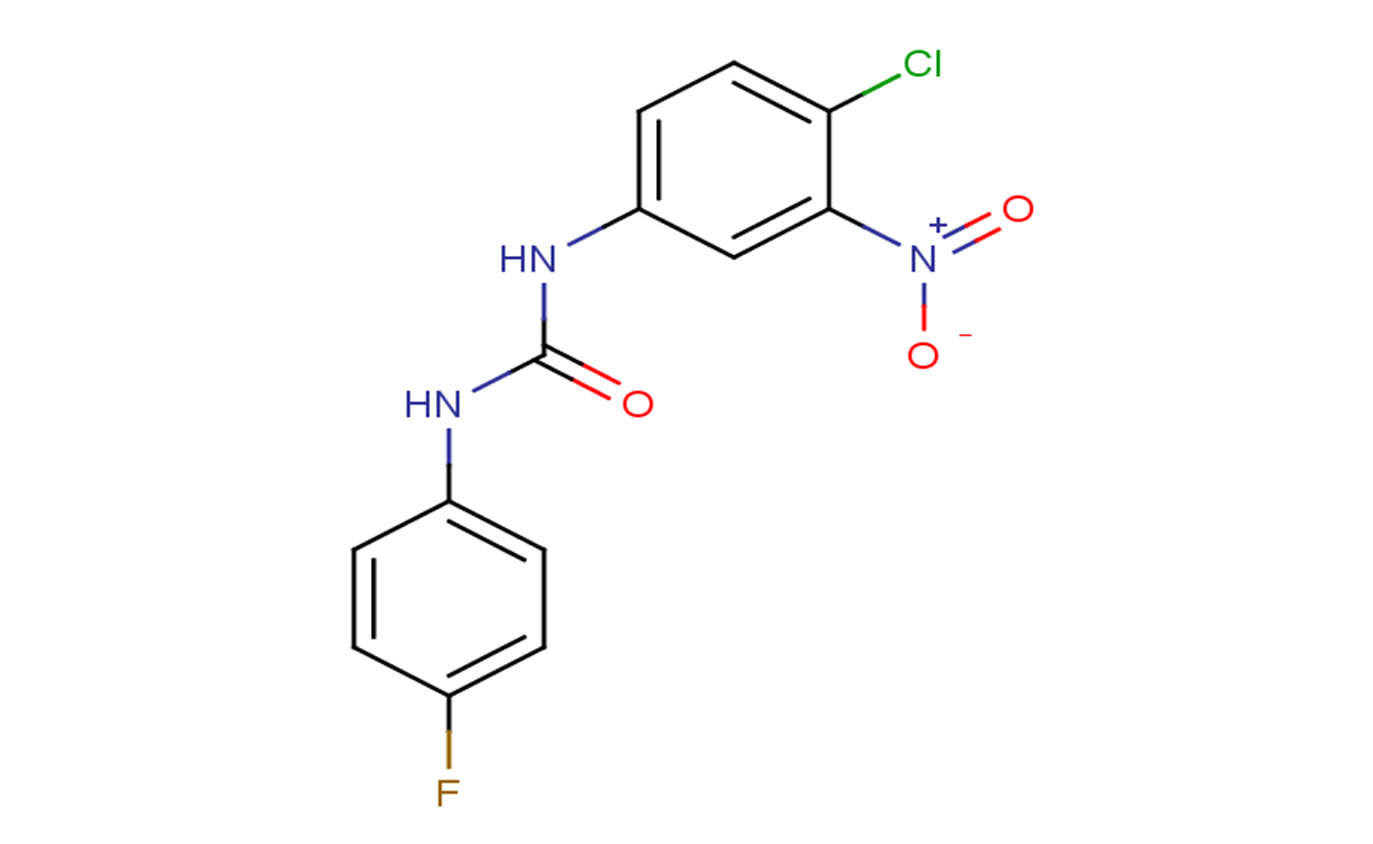
DTHIB
CAS No. 897326-30-6
DTHIB( —— )
Catalog No. M24921 CAS No. 897326-30-6
DTHIB robustly inhibits the HSF1 cancer gene signature and prostate cancer cell proliferation.
Purity : >98% (HPLC)
 COA
Datasheet
HNMR
HPLC
MSDS
Handing Instructions
COA
Datasheet
HNMR
HPLC
MSDS
Handing Instructions
| Size | Price / USD | Stock | Quantity |
| 2MG | 40 | In Stock |


|
| 5MG | 65 | In Stock |
|
| 10MG | 110 | In Stock |
|
| 25MG | 230 | In Stock |
|
| 50MG | 372 | In Stock |
|
| 100MG | 536 | In Stock |
|
| 500MG | 1152 | In Stock |
|
| 1G | Get Quote | In Stock |
|
Biological Information
-
Product NameDTHIB
-
NoteResearch use only, not for human use.
-
Brief DescriptionDTHIB robustly inhibits the HSF1 cancer gene signature and prostate cancer cell proliferation.
-
DescriptionDTHIB robustly inhibits the HSF1 cancer gene signature and prostate cancer cell proliferation.
-
In VitroDTHIB (5 μM; 48 hours) treatment of C4-2 cells induces cell cycle arrest, with accumulation in the G1 phase. DTHIB stimulates C4-2 PCa cell entry into senescence. DTHIB (0.5-5 μM; 48 hours; C4-2 prostate cancer) treatment reduces steady-state protein abundance of the molecular chaperones P23, HSP27, HSP70, and HSP90-all bona fide HSF1 targets in C4-2 cells. DTHIB dose-dependently reduces the clonal expansion of both C4-2 and PC-3 PCa cells with EC50 values of 1.2 μM and 3.0 μM, respectively. In mouse embryonic fibroblasts (MEFs), DTHIB (0.5-10 μM) attenuates the robust acute heat shock induction of the HSP70 and HSP25 molecular chaperones in a dose-dependent manner. DTHIB attenuates the heat shock response by reducing the steady-state transcript abundance of multiple molecular chaperones. Cell Cycle Analysis Cell Line:C4-2 cells Concentration:5 μM Incubation Time:48 hours Result:Induced cell cycle arrest.Western Blot Analysis Cell Line:C4-2 prostate cancer (PCa) cells Concentration:0.5 μM, 1 μM, 2.5 μM, 5 μM Incubation Time:48 hours Result:Dose-dependently inhibited expression of molecular chaperones in C4-2 PCa cells.
-
In VivoDTHIB (5 mg/kg; intraperitoneal injection; daily; for 3 weeks) treatment potently attenuates tumor progression in a C4-2 xenograft mouse model. Animal Model:Nude mice (6 weeks of age) injected with C4-2 cells Dosage:5 mg/kg Administration:Intraperitoneal injection; daily; for 3 weeks Result:Showed no visible tumor growth over a 3-week period and a 40% reduction in median tumor volume.
-
Synonyms——
-
PathwayCytoskeleton/Cell Adhesion Molecules
-
TargetHSP
-
RecptorHSF1
-
Research Area——
-
Indication——
Chemical Information
-
CAS Number897326-30-6
-
Formula Weight309.68
-
Molecular FormulaC13H9ClFN3O3
-
Purity>98% (HPLC)
-
SolubilityDMSO:10 mM
-
SMILESO=C(NC1=CC=C(F)C=C1)NC2=CC=C(Cl)C([N+]([O-])=O)=C2
-
Chemical Name——
Shipping & Storage Information
-
Storage(-20℃)
-
ShippingWith Ice Pack
-
Stability≥ 2 years
Reference
1.Dong B , Jaeger A M , Hughes P F , et al. Targeting therapy-resistant prostate cancer via a direct inhibitor of the human heat shock transcription factor 1[J]. Science Translational Medicine, 2020, 12(574):eabb5647.
molnova catalog



related products
-
KUNG29
A potent, selective Grp94 inhibitor with Kd of 0.2 uM.
-
SNX 2112
SNX 2112 (PF 04928473) is a potent, selective Hsp90 inhibitor with binding IC50 of 30 nM for both HSP90α and HSP90β.
-
p5 Ligand for Dnak a...
p5 Ligand for Dnak and DnaJ is a non-apeptide and correspond to the main binding sites of the 23 residues of the mitochondrial aspartate aminotransferase presequence.P5 ligand is a high affinity ligand for Dnak and DnaJ.
