


 Cart
Cart
 sales@molnova.com


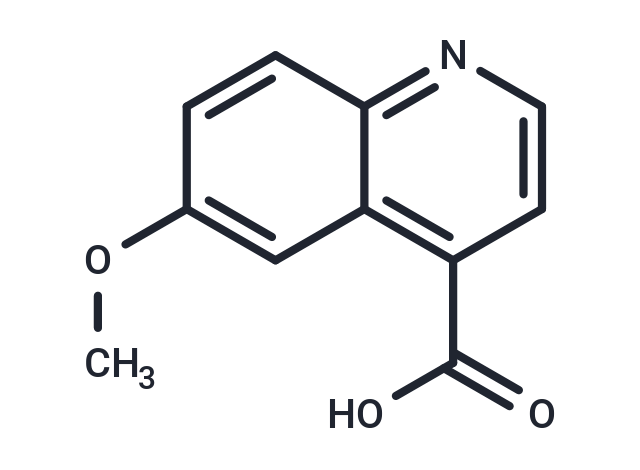
Quininic acid
CAS No. 86-68-0
Quininic acid( —— )
Catalog No. M33231 CAS No. 86-68-0
Quinic acid is an organic acid extracted from the bark of Eucalyptus, Cinchona and other plants in the Asteraceae family.
Purity : >98% (HPLC)
 COA
Datasheet
HNMR
HPLC
MSDS
Handing Instructions
COA
Datasheet
HNMR
HPLC
MSDS
Handing Instructions
| Size | Price / USD | Stock | Quantity |
| 1 mL x 10 mM in DMSO | 37 | In Stock |


|
| 25MG | 29 | In Stock |
|
| 100MG | Get Quote | In Stock |
|
| 200MG | Get Quote | In Stock |
|
| 500MG | Get Quote | In Stock |
|
| 1G | Get Quote | In Stock |
|
Biological Information
-
Product NameQuininic acid
-
NoteResearch use only, not for human use.
-
Brief DescriptionQuinic acid is an organic acid extracted from the bark of Eucalyptus, Cinchona and other plants in the Asteraceae family.
-
DescriptionQuininic acid, purified from Eucalyptus globulus, cinchona bark, and other plant products, is the most abundant organic acid.
-
In VitroQuininic acid is the most abundant organic acid, representing up to 86.3% (average value) of all organic acids. Quininic acid acts as an astringent and starting material for the synthesis of new pharmaceuticals.
-
In Vivo——
-
Synonyms——
-
PathwayMembrane Transporter/Ion Channel
-
TargetNMDAR
-
RecptorNMDAR
-
Research Area——
-
Indication——
Chemical Information
-
CAS Number86-68-0
-
Formula Weight203.19
-
Molecular FormulaC11H9NO3
-
Purity>98% (HPLC)
-
SolubilityIn Vitro:?DMSO : 16.67 mg/mL (82.04 mM; Ultrasonic )
-
SMILESCOc1ccc2nccc(C(O)=O)c2c1
-
Chemical Name——
Shipping & Storage Information
-
Storage(-20℃)
-
ShippingWith Ice Pack
-
Stability≥ 2 years
Reference
1. Jiang-tao Shi, et al. Seasonal changes of metabolites in phloem sap from Broussonetia papyrifera. bioRxiv.May 08, 2018.
molnova catalog



related products
-
MRZ 2-514
MRZ 2-514 is a strychnine-insensitive modulatory site of the NMDA receptor (glycineB)antagonist with Ki of 33 μM.
-
(R)-Serine
(R)-Serine is an endogenous amino acidis a potent co-agonist at the NMDA glutamate receptor.
-
Sennoside B
Sennoside B is an anthranoid. Anthranoid derivatives are used all over the world as a treatment for constipation.
