


 Cart
Cart
 sales@molnova.com


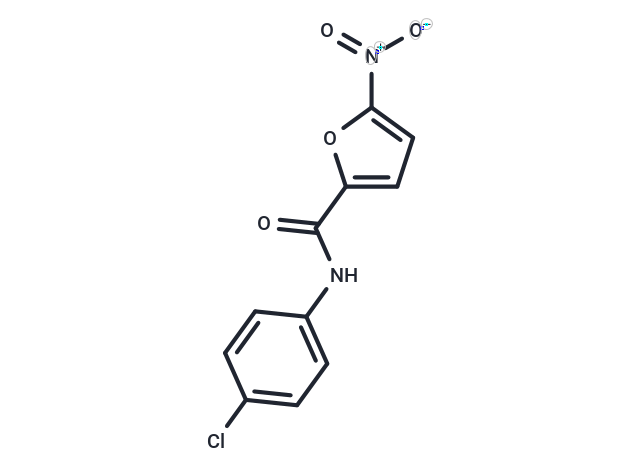
LCS3
CAS No. 109844-92-0
LCS3( —— )
Catalog No. M35422 CAS No. 109844-92-0
LCS3 is a reversible and non-competitive synergistic inhibitor of glutathione disulfide reductase (GSR) and thioredoxin reductase 1 (TXNRD1) with IC50s of 3.3 μM and 3.8 μM, respectively.
Purity : >98% (HPLC)
 COA
Datasheet
HNMR
HPLC
MSDS
Handing Instructions
COA
Datasheet
HNMR
HPLC
MSDS
Handing Instructions
| Size | Price / USD | Stock | Quantity |
| 5MG | 116 | In Stock |


|
| 10MG | 187 | In Stock |
|
| 25MG | 432 | In Stock |
|
| 50MG | 625 | In Stock |
|
| 100MG | 889 | In Stock |
|
| 200MG | Get Quote | In Stock |
|
| 500MG | 1786 | In Stock |
|
| 1G | Get Quote | In Stock |
|
Biological Information
-
Product NameLCS3
-
NoteResearch use only, not for human use.
-
Brief DescriptionLCS3 is a reversible and non-competitive synergistic inhibitor of glutathione disulfide reductase (GSR) and thioredoxin reductase 1 (TXNRD1) with IC50s of 3.3 μM and 3.8 μM, respectively.
-
DescriptionLCS3 is a reversible and uncompetitive glutathione disulfide reductase (GSR) and thioredoxin reductase 1 (TXNRD1) inhibitor (IC50=3.3 μM and 3.8 μM, respectively). LCS3 shows anti-tumor activity, and induces apoptosis. LCS3 can be used in lung adenocarcinoma (LUAD) research.
-
In VitroLCS3 (5 nM-10 μM; 96 h) inhibits lung cancer cell lines, but not non-transformed lung cells.LCS3 (3 μM; 3, 6, and 12 h) induces ROS and NRF2 pathway activation in sensitive lung adenocarcinoma (LUAD) cells.LCS3 (3 μM; 96 h) selectively kills lung adenocarcinoma (LUAD) cell lines, in part through the induction of apoptosis.Cell Viability Assay Cell Line:Non-small cell lung cancer (NSCLC) cells and non-transformed lung cells Concentration:5 nM-10 μM Incubation Time:96 hours Result:Inhibited the growth of 24/25 NSCLC cell lines at low micromolar concentrations (IC50<5 μM), both of the non-transformed lung cell lines were relatively insensitive (IC50>10 μM).Cell Viability Assay Cell Line:H23 and H1650 cells Concentration:3 μM Incubation Time:3, 6, and 12 hours Result:Responded to LCS3 by accumulating ROS and activating the NRF2 transcription program.Apoptosis Analysis Cell Line:lung adenocarcinoma (LUAD) cells Concentration:3 μM Incubation Time:96 hours Result:Increased cleavage of caspase 3, caspase 7 and/or PARP1 in all LCS3-sensitive LUAD cell lines.Western Blot Analysis Cell Line:H23 and H1650 cells Concentration:3 μM Incubation Time:24 hours Result:Increased the protein levels of NRF2 and of the products of selected downstream targets of NRF2 in both cell lines.
-
In Vivo——
-
Synonyms——
-
PathwayApoptosis
-
TargetApoptosis
-
RecptorApoptosis | Glutathione reductase
-
Research Area——
-
Indication——
Chemical Information
-
CAS Number109844-92-0
-
Formula Weight266.64
-
Molecular FormulaC11H7ClN2O4
-
Purity>98% (HPLC)
-
SolubilityIn Vitro:?DMSO : 125 mg/mL (468.80 mM; Ultrasonic (<60°C)
-
SMILES[O-][N+](=O)C1=CC=C(O1)C(=O)NC1=CC=C(Cl)C=C1
-
Chemical Name——
Shipping & Storage Information
-
Storage(-20℃)
-
ShippingWith Ice Pack
-
Stability≥ 2 years
Reference
1. Fraser D Johnson, et al. Characterization of a small molecule inhibitor of disulfide reductases that induces oxidative stress and lethality in lung cancer cells. Cell Rep. 2022 Feb 8;38(6):110343.?
molnova catalog



related products
-
UCF 101
UCF 101 is a specific inhibitor of HtrA2 and reduces apoptosis in PC12 cells.
-
FC-116
FC-116 is a potent Tubulin inhibitor with antitumour activity and inhibits tumour growth in mice.
-
Sophoraflavanone G
Sophoraflavanone G (Kushenol F) isolated from Sophora flavescens induces MDA-MB-231 and HL-60 cells apoptosis through suppression of MAPK-related pathways.
