


 Cart
Cart
 sales@molnova.com


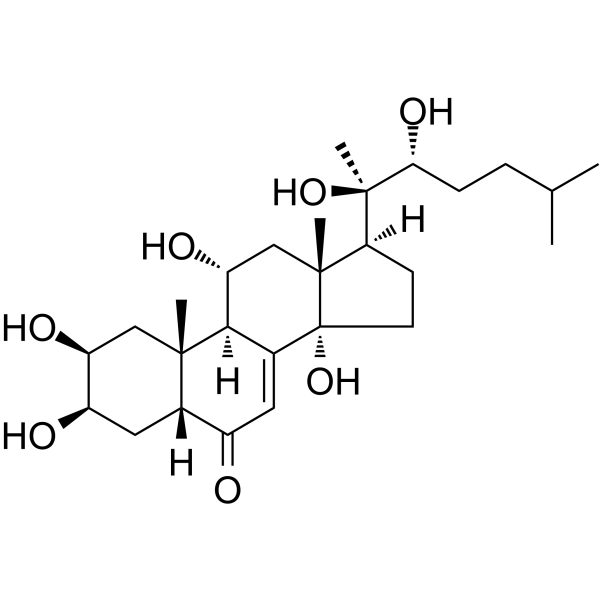
Ajugasterone C
CAS No. 23044-80-6
Ajugasterone C( —— )
Catalog No. M31376 CAS No. 23044-80-6
Ajugasterone C shows significant inhibitory effect at 100 mg/kg dose on rat paw oedema development due to carrageenan-induced inflammation in Sprague Dawley rats.
Purity : >98% (HPLC)
 COA
Datasheet
HNMR
HPLC
MSDS
Handing Instructions
COA
Datasheet
HNMR
HPLC
MSDS
Handing Instructions
| Size | Price / USD | Stock | Quantity |
| 5MG | 216 | In Stock |


|
| 50MG | Get Quote | In Stock |
|
| 100MG | Get Quote | In Stock |
|
| 200MG | Get Quote | In Stock |
|
| 500MG | Get Quote | In Stock |
|
| 1G | Get Quote | In Stock |
|
Biological Information
-
Product NameAjugasterone C
-
NoteResearch use only, not for human use.
-
Brief DescriptionAjugasterone C shows significant inhibitory effect at 100 mg/kg dose on rat paw oedema development due to carrageenan-induced inflammation in Sprague Dawley rats.
-
DescriptionAjugasterone C shows significant inhibitory effect at 100 mg/kg dose on rat paw oedema development due to carrageenan-induced inflammation in Sprague Dawley rats.
-
In Vitro——
-
In Vivo——
-
Synonyms——
-
PathwayOthers
-
TargetOther Targets
-
Recptor——
-
Research Area——
-
Indication——
Chemical Information
-
CAS Number23044-80-6
-
Formula Weight480.64
-
Molecular FormulaC27H44O7
-
Purity>98% (HPLC)
-
Solubility——
-
SMILES——
-
Chemical Name——
Shipping & Storage Information
-
Storage(-20℃)
-
ShippingWith Ice Pack
-
Stability≥ 2 years
Reference
molnova catalog



related products
-
TN1
TN1 is a potent inducer of fetal hemoglobin (HbF).
-
PRRS-PQGAB-C
PRRS-PQGAB-C
-
Berberine sulfate
Berberine sulfate (Berberal) is a quaternary ammonium salt of the benzylisoquinoline alkaloid proto-berberines, which can be used in the study of type 2 diabetes mellitus, abdominal obesity and metabolism-related fatty liver disease.
