


 Cart
Cart
 sales@molnova.com


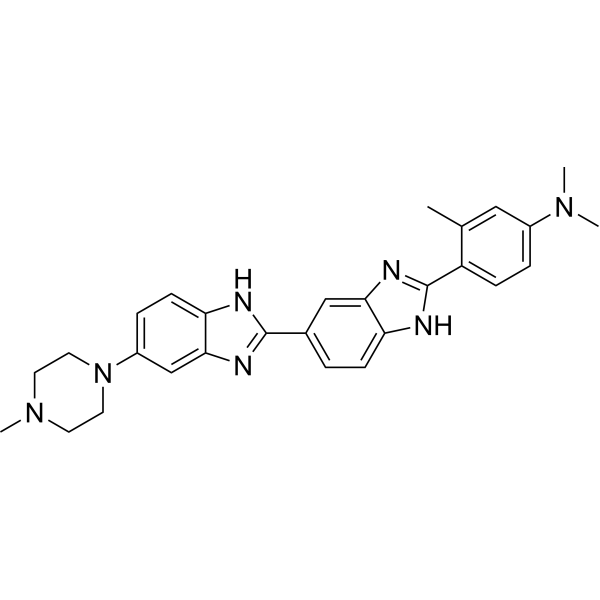
Methylproamine
CAS No. 188247-01-0
Methylproamine( —— )
Catalog No. M26297 CAS No. 188247-01-0
Methylproamine is a DNA-binding radioprotector , acts by repair of transient radiation-induced oxidative species on DNA.
Purity : >98% (HPLC)
 COA
Datasheet
HNMR
HPLC
MSDS
Handing Instructions
COA
Datasheet
HNMR
HPLC
MSDS
Handing Instructions
| Size | Price / USD | Stock | Quantity |
| 1 mL x 10 mM in DMSO | 37 | In Stock |


|
| 5MG | 29 | In Stock |
|
| 10MG | 42 | In Stock |
|
| 25MG | 65 | In Stock |
|
| 50MG | 91 | In Stock |
|
| 100MG | 153 | In Stock |
|
| 200MG | Get Quote | In Stock |
|
| 500MG | Get Quote | In Stock |
|
| 1G | Get Quote | In Stock |
|
Biological Information
-
Product NameMethylproamine
-
NoteResearch use only, not for human use.
-
Brief DescriptionMethylproamine is a DNA-binding radioprotector , acts by repair of transient radiation-induced oxidative species on DNA.
-
DescriptionMethylproamine is a DNA-binding radioprotector , acts by repair of transient radiation-induced oxidative species on DNA.(In Vitro):Immunocytochemical methods were used to measure the accumulation of phosphorylated H2AX (γH2AX) foci following ionizing radiation (IR) in patient-derived lymphoblastoid cells exposed to methylproamine. Pulsed field gel electrophoresis DNA damage and repair assays were performed to directly interrogate the action of methylproamine on DNA in irradiated cells.Methylproamine-treated cells had fewer γH2AX foci after IR compared to untreated cells. Also, the presence of methylproamine decreased the amount of lower molecular weight DNA entering the gel.
-
In VitroMethylproamine also protects against ionizing radiation by preventing DNA double-strand breaks.Methylproamine can protect bystander cells from radiation-induced DNA damage.Methylproamine has aconcentration-dependent radioprotective effect.Cell Cytotoxicity Assay Cell Line:Keratinocytes Concentration:10, 20 μMIncubation Time:60 min Result:Did not show any detectable cytotoxicity at 10 μM and had appreciable cytotoxicity at 20 μM.
-
In Vivo——
-
Synonyms——
-
PathwayOthers
-
TargetOther Targets
-
Recptorα2 adrenergic receptor
-
Research Area——
-
Indication——
Chemical Information
-
CAS Number188247-01-0
-
Formula Weight465.605
-
Molecular FormulaC28H31N7
-
Purity>98% (HPLC)
-
SolubilityIn Vitro:?DMSO : ≥ 41 mg/mL (88.06 mM)
-
SMILESCN(C)c1ccc(-c2nc3ccc(cc3[nH]2)-c2nc3ccc(cc3[nH]2)N2CCN(C)CC2)c(C)c1
-
Chemical Name——
Shipping & Storage Information
-
Storage(-20℃)
-
ShippingWith Ice Pack
-
Stability≥ 2 years
Reference
1.Chopin, P., F.C. Colpaert, and M. Marien, Effects of alpha-2 adrenoceptor agonists and antagonists on circling behavior in rats with unilateral 6-hydroxydopamine lesions of the nigrostriatal pathway. J Pharmacol Exp Ther, 1999. 288(2): p. 798-804.
molnova catalog



related products
-
Tectoquinone
Tectoquinone exhibits strong mosquito larvicidal activity.Mosquito larvicidal activities of methanolic extracts from different plant parts of red heartwood-type Cryptomeria japonica D.
-
IACS-010759
IACS-010759 (IACS010759) is a small molecule inhibitor of mitochondrial oxidative phosphorylation (OXPHOS).
-
Parathyroid Hormone ...
Parathyroid Hormone (1-38), human
