


 Cart
Cart
 sales@molnova.com


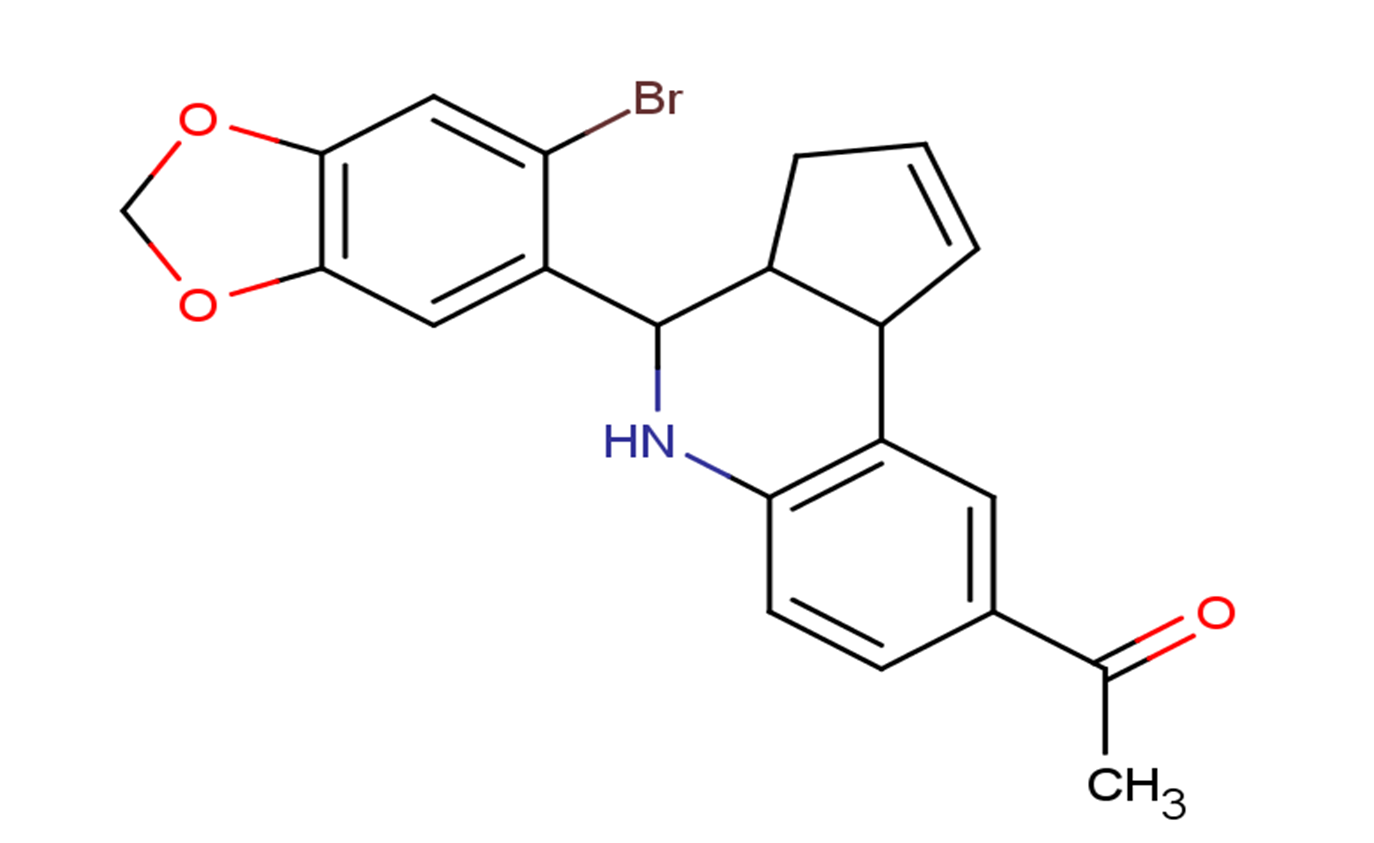
G-1
CAS No. 881639-98-1
G-1( —— )
Catalog No. M24897 CAS No. 881639-98-1
G-1 is a nonsteroidal, high-affinity and selective GPR30 agonist (Ki: 11 nM).
Purity : >98% (HPLC)
 COA
Datasheet
HNMR
HPLC
MSDS
Handing Instructions
COA
Datasheet
HNMR
HPLC
MSDS
Handing Instructions
| Size | Price / USD | Stock | Quantity |
| 1 mL x 10 mM in DMSO | 71 | In Stock |


|
| 5MG | 73 | In Stock |
|
| 10MG | 117 | In Stock |
|
| 25MG | 202 | In Stock |
|
| 50MG | 314 | In Stock |
|
| 100MG | 454 | In Stock |
|
| 200MG | 649 | In Stock |
|
| 500MG | Get Quote | In Stock |
|
| 1G | Get Quote | In Stock |
|
Biological Information
-
Product NameG-1
-
NoteResearch use only, not for human use.
-
Brief DescriptionG-1 is a nonsteroidal, high-affinity and selective GPR30 agonist (Ki: 11 nM).
-
DescriptionG-1 is a nonsteroidal, high-affinity and selective GPR30 agonist (Ki: 11 nM).
-
In Vitro——
-
In Vivo——
-
Synonyms——
-
PathwayCell Cycle/DNA Damage
-
TargetGPR
-
RecptorGPR30
-
Research Area——
-
Indication——
Chemical Information
-
CAS Number881639-98-1
-
Formula Weight412.28
-
Molecular FormulaC21H18BrNO3
-
Purity>98% (HPLC)
-
SolubilityDMSO:50 mg/mL (121.28 mM; Need ultrasonic);H2O:< 0.1 mg/mL (insoluble)
-
SMILESCC(=O)C1=CC2=C(C=C1)NC(C3C2C=CC3)C4=CC5=C(C=C4Br)OCO5
-
Chemical Name——
Shipping & Storage Information
-
Storage(-20℃)
-
ShippingWith Ice Pack
-
Stability≥ 2 years
Reference
1.Cheng Q, et al. G-1 exerts neuroprotective effects through G protein-coupled estrogen receptor 1 following spinal cord injury in mice. Biosci Rep. 2016 Aug 31;36(4). pii: e00373.
molnova catalog



