


 Cart
 sales@molnova.com


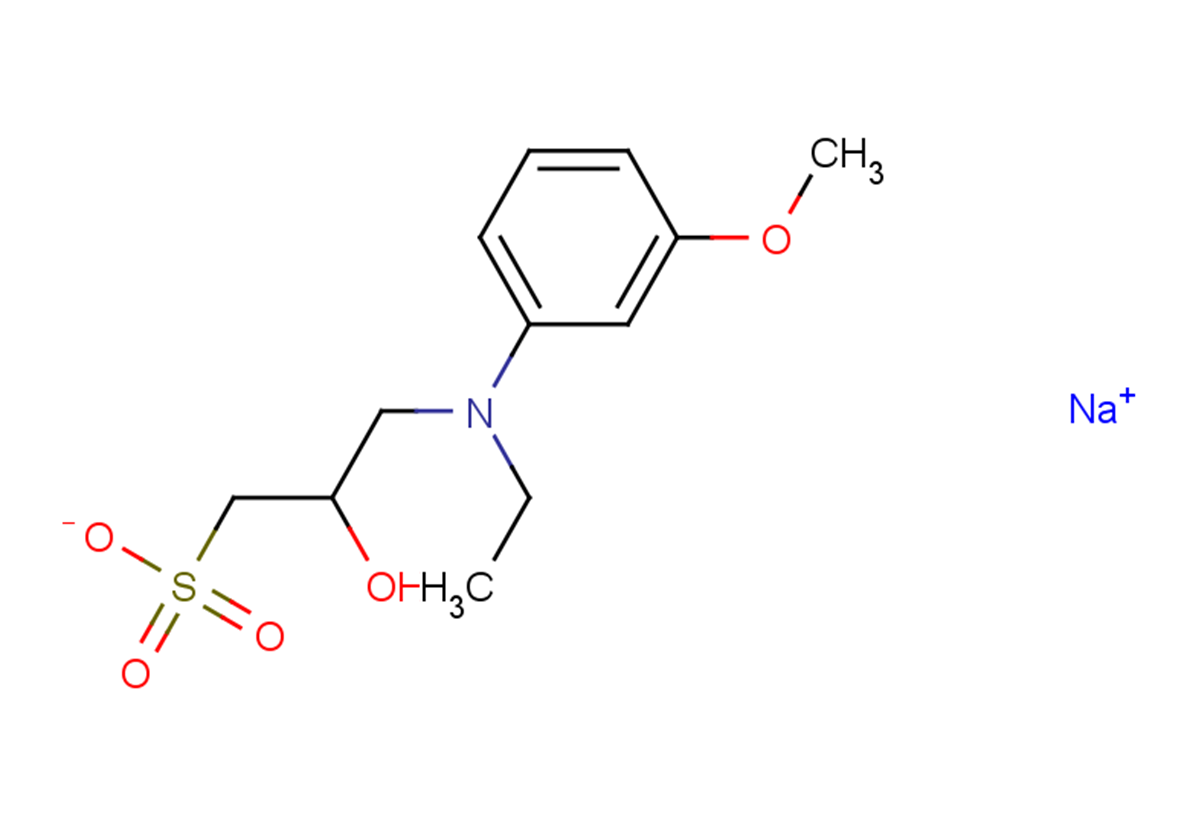
ADOS
CAS No. 82692-96-4
ADOS( —— )
Catalog No. M24817 CAS No. 82692-96-4
ADOS (82692-96-4) is a biochemical reagent/chromogenic reagent.
Purity : >98% (HPLC)
 COA
Datasheet
HNMR
HPLC
MSDS
Handing Instructions
| Size | Price / USD | Stock | Quantity |
| 1 mL x 10 mM in DMSO | 28 | In Stock |


|
| 10MG | 29 | In Stock |
|
| 25MG | 46 | In Stock |
|
| 50MG | 63 | In Stock |
|
| 100MG | 96 | In Stock |
|
| 200MG | 129 | In Stock |
|
| 500MG | Get Quote | In Stock |
|
| 1G | Get Quote | In Stock |
|
Biological Information
-
Product NameADOS
-
NoteResearch use only, not for human use.
-
Brief DescriptionADOS (82692-96-4) is a biochemical reagent/chromogenic reagent.
-
DescriptionADOS (82692-96-4) is a biochemical reagent/chromogenic reagent.
-
In Vitro——
-
In Vivo——
-
Synonyms——
-
PathwayOthers
-
TargetOther Targets
-
Recptorothers
-
Research Area——
-
Indication——
Chemical Information
-
CAS Number82692-96-4
-
Formula Weight311.33
-
Molecular FormulaC12H18NNaO5S
-
Purity>98% (HPLC)
-
Solubility——
-
SMILESO=S(CC(O)CN(CC)C1=CC=CC(OC)=C1)([O-])=O.[Na+]
-
Chemical Name——
Shipping & Storage Information
-
Storage(-20℃)
-
ShippingWith Ice Pack
-
Stability≥ 2 years
Reference


-
O-Acetylserine
O-Acetylserine (O-Acetyl-L-serine) is an intermediate in the biosynthesis of the amino acid cysteine in bacteria and plants.
-
Helodermin
Helodormin is a VIP-secretin-like peptide isolated from the venom of the Mexican monster lizard (Heloderma suspectum). Helodormin affects a variety of cellular functions by modulating intracellular signaling through activation of adenylate cyclase. Helodormin can be used to study the evolution and function of the secretin and VIP peptide families.
-
IRBP
Interphotoreceptor Retinoid Binding Protein Fragment (IRBP) is a 20-residue peptide, which is a major pathogenic epitope. It exists in the first homologous repeat of interstitial visual pigment Binding Protein peptide (IRBP 161-180) and can induce post-uveitis (EAU).
