


 Cart
Cart
 sales@molnova.com


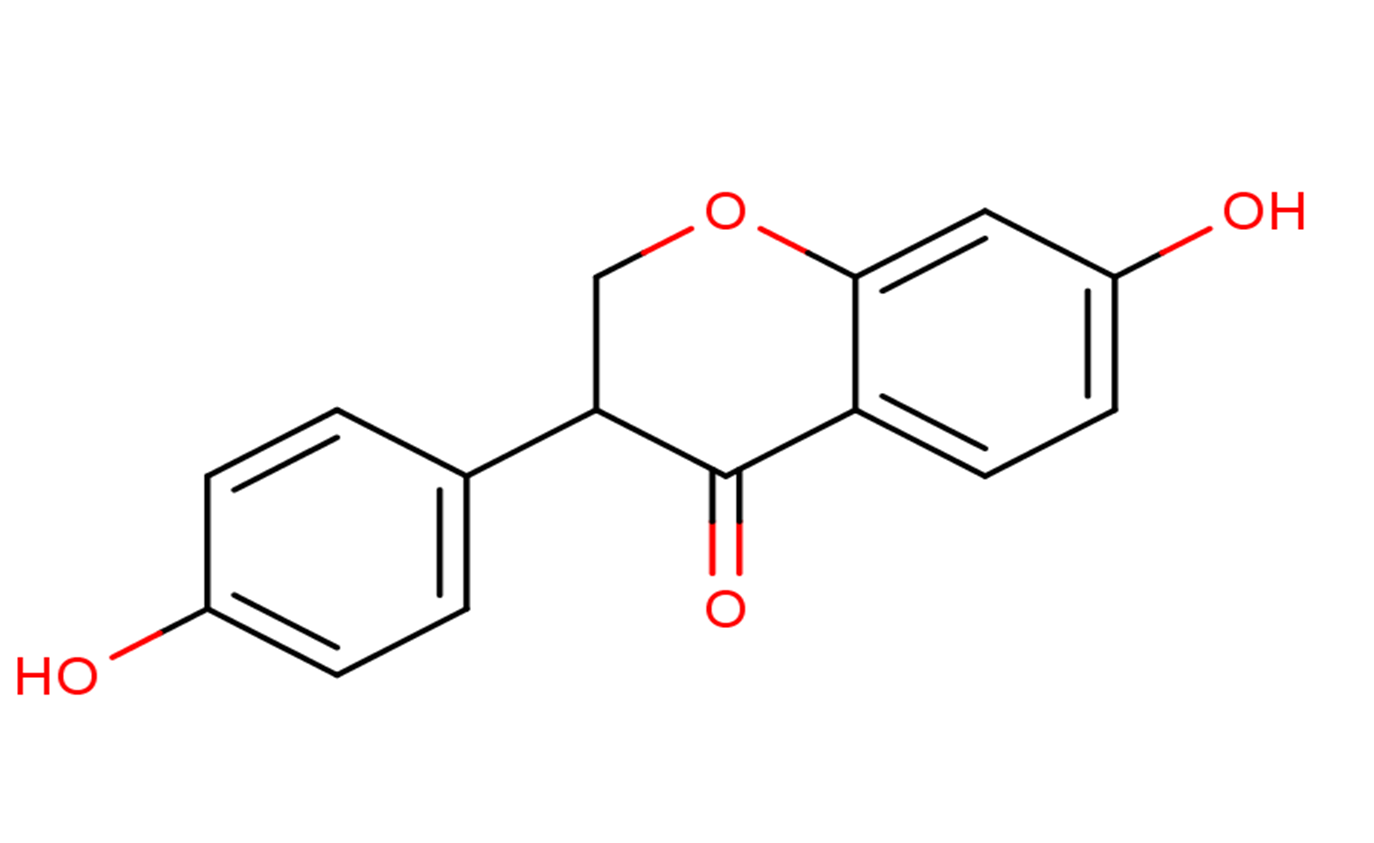
Dihydrodaidzein
CAS No. 17238-05-0
Dihydrodaidzein( (±)-Dihydrodaidzein )
Catalog No. M23777 CAS No. 17238-05-0
Dihydrodaidzein-producing bacteria might lead to clarification of some of the mechanisms regulating the production of equol by fecal microbiota.
Purity : >98% (HPLC)
 COA
Datasheet
HNMR
HPLC
MSDS
Handing Instructions
COA
Datasheet
HNMR
HPLC
MSDS
Handing Instructions
| Size | Price / USD | Stock | Quantity |
| 1 mL x 10 mM in DMSO | 86 | In Stock |


|
| 5MG | 78 | In Stock |
|
| 10MG | 112 | In Stock |
|
| 25MG | 185 | In Stock |
|
| 50MG | 267 | In Stock |
|
| 100MG | 395 | In Stock |
|
| 200MG | 591 | In Stock |
|
| 500MG | Get Quote | In Stock |
|
| 1G | Get Quote | In Stock |
|
Biological Information
-
Product NameDihydrodaidzein
-
NoteResearch use only, not for human use.
-
Brief DescriptionDihydrodaidzein-producing bacteria might lead to clarification of some of the mechanisms regulating the production of equol by fecal microbiota.
-
DescriptionDihydrodaidzein-producing bacteria might lead to clarification of some of the mechanisms regulating the production of equol by fecal microbiota.
-
In Vitro——
-
In Vivo——
-
Synonyms(±)-Dihydrodaidzein
-
PathwayProteasome/Ubiquitin
-
TargetEndogenous Metabolite
-
RecptorEndogenous Metabolite
-
Research Area——
-
Indication——
Chemical Information
-
CAS Number17238-05-0
-
Formula Weight256.26
-
Molecular FormulaC15H12O4
-
Purity>98% (HPLC)
-
SolubilityDMSO:100 mg/mL?(390.24 mM;?Need ultrasonic)
-
SMILESO=C1C(C2=CC=C(O)C=C2)COC3=CC(O)=CC=C13
-
Chemical Name——
Shipping & Storage Information
-
Storage(-20℃)
-
ShippingWith Ice Pack
-
Stability≥ 2 years
Reference
1.Dihydrodaidzein-producing Clostridium-like intestinal bacterium, strain TM-40, affects in vitro metabolism of daidzein by fecal microbiota of human male equol producer and non-producers.Biosci Microflora. 2011;30(3):65-71.
molnova catalog



related products
-
Coenzyme A
Coenzyme A is an obligatory cofactor in all living cells synthesized from pantothenate (Vitamin B5), adenosine triphosphate (ATP), and cysteine.
-
16-Dehydroprogestero...
16-Dehydroprogesterone is a steroidal progestin.
-
N1-Acetylspermidine ...
N1-Acetylspermidine hydrochloride, an acetyl derivative of spermidine, serves as a substrate for polyamine oxidase and selectively elevates its levels in human colorectal adenocarcinomas.
