


 Cart
Cart
 sales@molnova.com


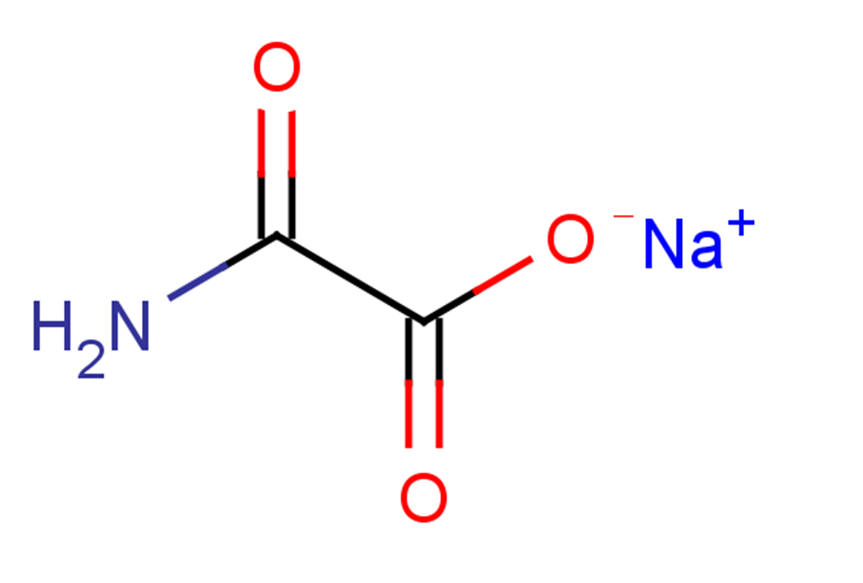
Sodium Oxamate
CAS No. 565-73-1
Sodium Oxamate( SO, oxamate sodium, Aminooxoacetic acid sodium salt, Oxamic acid sodium salt )
Catalog No. M22595 CAS No. 565-73-1
Sodium Oxamate is an LDH inhibitor. Sodium oxamate (SO) induces G2/M cell cycle arrest via downregulation of the CDK1/cyclin B1 pathway and promotes apoptosis through enhancement of mitochondrial ROS generation.
Purity : >98% (HPLC)
 COA
Datasheet
HNMR
HPLC
MSDS
Handing Instructions
COA
Datasheet
HNMR
HPLC
MSDS
Handing Instructions
| Size | Price / USD | Stock | Quantity |
| 100MG | Get Quote | In Stock |


|
| 200MG | Get Quote | In Stock |
|
| 500MG | Get Quote | In Stock |
|
| 1G | 29 | In Stock |
|
Biological Information
-
Product NameSodium Oxamate
-
NoteResearch use only, not for human use.
-
Brief DescriptionSodium Oxamate is an LDH inhibitor. Sodium oxamate (SO) induces G2/M cell cycle arrest via downregulation of the CDK1/cyclin B1 pathway and promotes apoptosis through enhancement of mitochondrial ROS generation.
-
DescriptionSodium Oxamate is an LDH inhibitor. Sodium oxamate (SO) induces G2/M cell cycle arrest via downregulation of the CDK1/cyclin B1 pathway and promotes apoptosis through enhancement of mitochondrial ROS generation.It inhibits L(+)-lactate dehydrogenase and derails the entire gluconeogenic pathway.NETosis and lactate accumulation during LPS induced sepsis in mice was inhibited by sodium oxamate, LDH inhibitor.
-
In VitroCell Proliferation Assay Cell Line:CNE-1 and CNE-2 cells Concentration:10 μM Incubation Time:24-72 hours Result:Showed IC50s of 74.6, 32.4 and 17.8 mM and 62.3, 44.5, 31.6 mM at 24, 48 and 72 h in the CNE-1 and CNE-2 cancer cells, respectively.Apoptosis Analysis Cell Line:NPC cells Concentration:0, 20, 50 and 100 mM Incubation Time:48 hours Result:Showed the increasement of early and late apoptotic cells in a dose-dependent manner. Increased the expression of pro-apoptotic Bax and cleaved-caspase-3, while reduced the anti-apoptotic signals of Bcl-2 and pro-caspase-3.Cell Cycle Analysis Cell Line:CNE-1 and CNE-2 cells Concentration:0, 20, 50 and 100 mM Incubation Time:24 hours Result:Showed a dose-dependent increase in the numbers of CNE-1 and CNE-2 cells in the G2/M phase.
-
In VivoAnimal Model:Female Balb/c nude mice injected with CNE-1 cells Dosage:750 mg/kg Administration:Intraperitoneal injection; 750 mg/kg; once daily; 3 weeks Result:Inhibited the tumor growth when compared to either oxamate alone or irradiation alone.
-
SynonymsSO, oxamate sodium, Aminooxoacetic acid sodium salt, Oxamic acid sodium salt
-
PathwayApoptosis
-
TargetApoptosis
-
RecptorLDH|CDK|Apoptosis
-
Research Area——
-
Indication——
Chemical Information
-
CAS Number565-73-1
-
Formula Weight111.03
-
Molecular FormulaC2H2NNaO3
-
Purity>98% (HPLC)
-
SolubilityIn Vitro:?H2O : 12.5 mg/mL (112.58 mM)
-
SMILES[Na+].NC(=O)C([O-])=O
-
Chemical Name——
Shipping & Storage Information
-
Storage(-20℃)
-
ShippingWith Ice Pack
-
Stability≥ 2 years
Reference
1. Awasthi D , Nagarkoti S , Sadaf S , et al. Glycolysis dependent lactate formation in neutrophils: A metabolic link between NOX-dependent and independent NETosis[J]. Biochimica et Biophysica Acta (BBA) - Molecular Basis of Disease, 2019, 1865(12):165542-.
molnova catalog



related products
-
SACLAC
SACLAC is a cysteine asparaginase activation inhibitor with antitumor activity that decreases AML cell viability, inhibits AML cell proliferation, increases AML cell death, and induces apoptosis of AML cells, and is used in the study of acute myeloid leukemia and cancer.
-
EC359
EC359 is a potent and selective inhibitor of leukemia inhibitory factor receptor (LIFR), a potent inhibitor with anticancer activity, blocks LIF/LIFR interaction, and can be used in the study of leukemia and endometrial cancer.
-
Soyasapogenol B
Soyasapogenol B has anti-cancer, hypocholesterolemic, anticomplementary, hepatoprotective effects, it inhibits proliferation of cultured Hep-G2.
