


 Cart
Cart
 sales@molnova.com


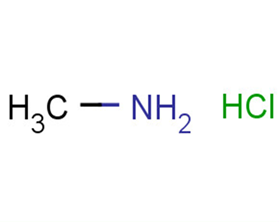
Methylamine hydrochloride
CAS No. 593-51-1
Methylamine hydrochloride( Aminomethane | Methanamine )
Catalog No. M20015 CAS No. 593-51-1
Methylamine occurs endogenously from amine catabolism and its tissue levels increase in some pathological conditions including diabetes.
Purity : >98% (HPLC)
 COA
Datasheet
HNMR
HPLC
MSDS
Handing Instructions
COA
Datasheet
HNMR
HPLC
MSDS
Handing Instructions
| Size | Price / USD | Stock | Quantity |
| 5MG | 49 | In Stock |


|
| 100MG | Get Quote | In Stock |
|
| 200MG | Get Quote | In Stock |
|
| 500MG | Get Quote | In Stock |
|
| 1G | Get Quote | In Stock |
|
Biological Information
-
Product NameMethylamine hydrochloride
-
NoteResearch use only, not for human use.
-
Brief DescriptionMethylamine occurs endogenously from amine catabolism and its tissue levels increase in some pathological conditions including diabetes.
-
DescriptionMethylamine occurs endogenously from amine catabolism and its tissue levels increase in some pathological conditions including diabetes. Interestingly methylamine and ammonia levels are reciprocally controlled by a semicarbazide-sensitive amine oxidase activity that deaminates methylamine to formaldehyde with the production of ammonia and hydrogen peroxide. Methylamine also targets the voltage-operated neuronal potassium channels probably inducing the release of neurotransmitter(s).
-
In Vitro——
-
In Vivo——
-
SynonymsAminomethane | Methanamine
-
PathwayOthers
-
TargetOther Targets
-
RecptorOthers
-
Research Area——
-
Indication——
Chemical Information
-
CAS Number593-51-1
-
Formula Weight67.52
-
Molecular FormulaCH6ClN
-
Purity>98% (HPLC)
-
SolubilityDMSO:200 mM
-
SMILESCl.CN
-
Chemical Name——
Shipping & Storage Information
-
Storage(-20℃)
-
ShippingWith Ice Pack
-
Stability≥ 2 years
Reference
1.Pirisino R et al. Methylamine: a new endogenous modulator of neuron firing? Med Sci Monit. 2005 Aug;11(8):RA257-61.
molnova catalog



related products
-
1-Kestose
1-Kestose shows significant anti-hydroxyl radical potential. 1-Kestose can promote intestinal Lactobacillus number and influence the microorganisms as well as the intestinal and systemic immune responses.
-
Ecdysis-Triggering H...
Ecdysis-Triggering Hormone (Manduca sexta) ; Mas-ETH
-
4-Chlorosalicylic ac...
Antimicrobial compositions comprising a benzoic acid analog and a metal salt.
