


 Cart
Cart
 sales@molnova.com


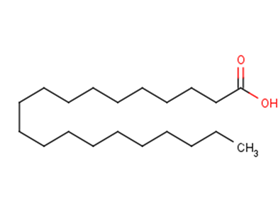
Arachidic acid
CAS No. 506-30-9
Arachidic acid( eicosanoic acid | Icosanoic Acid )
Catalog No. M19614 CAS No. 506-30-9
Arachidic acid is a saturated fatty acid found naturally in fish and vegetable oils. It can also be formed by the hydrogenation of arachidonic acid.
Purity : >98% (HPLC)
 COA
Datasheet
HNMR
HPLC
MSDS
Handing Instructions
COA
Datasheet
HNMR
HPLC
MSDS
Handing Instructions
| Size | Price / USD | Stock | Quantity |
| 1 mL x 10 mM in DMSO | 29 | In Stock |


|
| 100MG | Get Quote | In Stock |
|
| 200MG | Get Quote | In Stock |
|
| 500MG | Get Quote | In Stock |
|
| 1G | 29 | In Stock |
|
Biological Information
-
Product NameArachidic acid
-
NoteResearch use only, not for human use.
-
Brief DescriptionArachidic acid is a saturated fatty acid found naturally in fish and vegetable oils. It can also be formed by the hydrogenation of arachidonic acid.
-
DescriptionArachidic acid is a saturated fatty acid found naturally in fish and vegetable oils (such as those from peanuts). It can also be formed by the hydrogenation of arachidonic acid. Diets rich in saturated fatty acids such as arachidic acid are known to increase serum low-density lipoproteins resulting in high blood cholesterol levels.
-
In Vitro——
-
In Vivo——
-
Synonymseicosanoic acid | Icosanoic Acid
-
PathwayOthers
-
TargetOther Targets
-
RecptorOthers
-
Research Area——
-
Indication——
Chemical Information
-
CAS Number506-30-9
-
Formula Weight312.53
-
Molecular FormulaC20H40O2
-
Purity>98% (HPLC)
-
SolubilityDMSO: 10 mM;Chloroform: 50 mg/mL
-
SMILESCCCCCCCCCCCCCCCCCCCC(O)=O
-
Chemical Name——
Shipping & Storage Information
-
Storage(-20℃)
-
ShippingWith Ice Pack
-
Stability≥ 2 years
Reference
1.Nestel P. et al.?Effects of increasing dietary palmitoleic acid compared with palmitic and oleic acids on plasma lipids of hypercholesterolemic men.?J. Lipid Res.?35?656-662?(1994).
molnova catalog



related products
-
Daphnetin 7-methyl e...
Daphnetin 7-methyl ether has anti-inflammatory activity.
-
BAY-3827 B
BAY-3827 is a potent and selective AMPK inhibitor with potential antitumor activity, demonstrating antiproliferative effects in an androgen-dependent prostate cancer model and inhibiting the phosphorylation of acetyl CoA carboxylase 1 (ACC-1).
-
Quinocetone
Quinocetone is an animal growth promoter?and potential anti-tumor activity.
