


 Cart
Cart
 sales@molnova.com


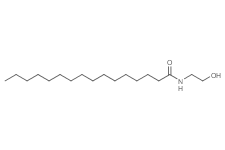
Palmidrol
CAS No. 544-31-0
Palmidrol( AM 3112 | Loramine P 256 | Mackpeart DR 14V )
Catalog No. M18772 CAS No. 544-31-0
Palmitoylethanolamide(PEA) , an endogenous fatty acid amide, activates PPAR-α selectively in vitro (EC50=3.1±0.4 μM).
Purity : >98% (HPLC)
 COA
Datasheet
HNMR
HPLC
MSDS
Handing Instructions
COA
Datasheet
HNMR
HPLC
MSDS
Handing Instructions
| Size | Price / USD | Stock | Quantity |
| 10MG | 41 | In Stock |


|
| 25MG | 62 | In Stock |
|
| 50MG | 83 | In Stock |
|
| 100MG | 151 | In Stock |
|
| 200MG | 217 | In Stock |
|
| 500MG | 346 | In Stock |
|
| 1G | Get Quote | In Stock |
|
Biological Information
-
Product NamePalmidrol
-
NoteResearch use only, not for human use.
-
Brief DescriptionPalmitoylethanolamide(PEA) , an endogenous fatty acid amide, activates PPAR-α selectively in vitro (EC50=3.1±0.4 μM).
-
DescriptionPalmitoylethanolamide(PEA) , an endogenous fatty acid amide, activates PPAR-α selectively in vitro (EC50=3.1±0.4 μM).
-
In VitroPalmitoylethanolamide (Palmidrol) itself does not stimulate interferon production in mice treated per os or intravenously. But repeated application of this drug per os induces a macrophage activation, reflected by enhanced interferon production in vitro. When the interferon stimulation is delayed until 4 to 10 days after the first dose of Palmitoylethanolamide, interferon response to ds-RNA is slightly increased. After this phase of enhanced activity a decreased production of interferon is observed. Palmitoylethanolamide is not significantly effective in protecting mice from lethal dose of EMC virus. Application of this drug has an inhibitory effect on the toxicity of ds-RNA. A possible explanation of the mechanism by which Palmitoylethanolamide decreased the toxicity of virus in the organism is discussed.
-
In Vivo——
-
SynonymsAM 3112 | Loramine P 256 | Mackpeart DR 14V
-
PathwayGPCR/G Protein
-
TargetHistamine Receptor
-
RecptorPPARα
-
Research AreaOthers-Field
-
Indication——
Chemical Information
-
CAS Number544-31-0
-
Formula Weight299.49
-
Molecular FormulaC18H37NO2
-
Purity>98% (HPLC)
-
SolubilityIn Vitro:?DMSO : 2.6 mg/mL (8.68 mM)
-
SMILESCCCCCCCCCCCCCCCC(=O)NCCO
-
Chemical Name——
Shipping & Storage Information
-
Storage(-20℃)
-
ShippingWith Ice Pack
-
Stability≥ 2 years
Reference
1. Lo Verme J, et al. Mol Pharmacol. 2005, 67(1):15-9.
molnova catalog



related products
-
Cetirizine dihydroch...
A second-generation antihistamine that acts as a selective H1 receptor antagonist.
-
Orphenadrine hydroch...
Orphenadrine is an anticholinergic drug of the ethanolamine antihistamine class with prominent central nervous system (CNS) and peripheral actions used to treat painful muscle spasms and other similar conditions, as well as the treatment of some aspects of Parkinson's disease.
-
Famotidine
Famotidine is a competitive histamine H2-receptor antagonist.
