


 Cart
Cart
 sales@molnova.com


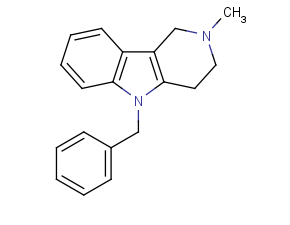
Mebhydroline
CAS No. 524-81-2
Mebhydroline( —— )
Catalog No. M18727 CAS No. 524-81-2
Mebhydrolin is a specific histamine H1 receptor antagonist.
Purity : >98% (HPLC)
 COA
Datasheet
HNMR
HPLC
MSDS
Handing Instructions
COA
Datasheet
HNMR
HPLC
MSDS
Handing Instructions
| Size | Price / USD | Stock | Quantity |
| 1 mL x 10 mM in DMSO | 39 | In Stock |


|
| 100MG | 34 | In Stock |
|
| 200MG | 55 | In Stock |
|
| 500MG | 119 | In Stock |
|
| 1G | Get Quote | In Stock |
|
Biological Information
-
Product NameMebhydroline
-
NoteResearch use only, not for human use.
-
Brief DescriptionMebhydrolin is a specific histamine H1 receptor antagonist.
-
DescriptionMebhydrolin is a specific histamine H1 receptor antagonist.(In Vitro):Mebhydrolin is a specific histamine H1-receptor antagonist and comparing it with the effects of chlorpromazine, the archetypical phenothiazine. Mebhydrolin exerts an antihistaminic effect over the period of the ethanol interaction study.
-
In VitroMebhydrolin is a specific histamine H1-receptor antagonist and comparing it with the effects of chlorpromazine, the archetypical phenothiazine. Mebhydrolin exerts an antihistaminic effect over the period of the ethanol interaction study.
-
In Vivo——
-
Synonyms——
-
PathwayOthers
-
TargetOther Targets
-
RecptorH1 receptor
-
Research AreaInflammation/Immunology
-
Indication——
Chemical Information
-
CAS Number524-81-2
-
Formula Weight276.38
-
Molecular FormulaC19H20N2
-
Purity>98% (HPLC)
-
SolubilityDMSO : 83.33 mg/mL 301.51 mM
-
SMILESCN3Cc4c1ccccc1n(Cc2ccccc2)c4CC3
-
Chemical Name——
Shipping & Storage Information
-
Storage(-20℃)
-
ShippingWith Ice Pack
-
Stability≥ 2 years
Reference
1.O'Neill PA,etal.Chlorpromazine--a specific effect on breathlessness Br J Clin Pharmacol. 1985 Jun;19(6):793-7.
molnova catalog



related products
-
BPN14770
BPN14770 is an allosteric inhibitor of selective phosphodiesterase 4D (PDE4D; IC50s: 7.8 nM and 7.4 nM for PDE4D7 and PDE4D3).
-
Fantofarone
Fantofarone is a highly potent Calcium Channel antagonist.
-
2-Octenoic acid
2-Octenoic acid is a normal organic acid produced by hepatic microsomal oxidation of aliphatic aldehydes and is a metabolite naturally found in the urine and plasma.
