


 Cart
Cart
 sales@molnova.com


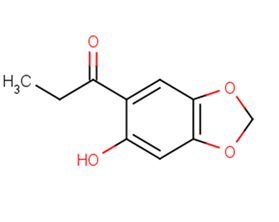
Kakuol
CAS No. 18607-90-4
Kakuol( —— )
Catalog No. M18150 CAS No. 18607-90-4
Kakuol has antifungal activity, it can completely inhibit the mycelial growth of Botrytis cinerea Pers ex Fr and Cladosporium cucumerinum Ellis & Arthur at 5 microg ml(-1) and 3 microg ml(-1), respectively.
Purity : >98% (HPLC)
 COA
Datasheet
HNMR
HPLC
MSDS
Handing Instructions
COA
Datasheet
HNMR
HPLC
MSDS
Handing Instructions
| Size | Price / USD | Stock | Quantity |
| 1 mL x 10 mM in DMSO | 76 | In Stock |


|
| 5MG | 68 | In Stock |
|
| 10MG | 93 | In Stock |
|
| 25MG | 160 | In Stock |
|
| 50MG | 232 | In Stock |
|
| 100MG | 343 | In Stock |
|
| 200MG | Get Quote | In Stock |
|
| 500MG | Get Quote | In Stock |
|
| 1G | Get Quote | In Stock |
|
Biological Information
-
Product NameKakuol
-
NoteResearch use only, not for human use.
-
Brief DescriptionKakuol has antifungal activity, it can completely inhibit the mycelial growth of Botrytis cinerea Pers ex Fr and Cladosporium cucumerinum Ellis & Arthur at 5 microg ml(-1) and 3 microg ml(-1), respectively.
-
DescriptionKakuol has antifungal activity, it can completely inhibit the mycelial growth of Botrytis cinerea Pers ex Fr and Cladosporium cucumerinum Ellis & Arthur at 5 microg ml(-1) and 3 microg ml(-1), respectively. 2. kakuol and a derivative analogue are able to inhibit the DNA relaxation mediated by the human enzyme.
-
In Vitro——
-
In Vivo——
-
Synonyms——
-
PathwayOthers
-
TargetOther Targets
-
RecptorAntifungal
-
Research AreaOthers-Field
-
Indication——
Chemical Information
-
CAS Number18607-90-4
-
Formula Weight194.18
-
Molecular FormulaC10H10O4
-
Purity>98% (HPLC)
-
SolubilityIn Vitro:?DMSO : 100 mg/mL (514.99 mM)
-
SMILESCCC(=O)C1=CC2=C(C=C1O)OCO2
-
Chemical Name——
Shipping & Storage Information
-
Storage(-20℃)
-
ShippingWith Ice Pack
-
Stability≥ 2 years
Reference
molnova catalog



related products
-
Sulfadimethoxine
Sulfadimethoxine is a sulfonamide antibiotic.
-
Methyl β-D-glucopyra...
Methyl β-D-glucopyranoside, utilized in the enzymatic caffeoylation process, is instrumental in synthesizing natural glycophenolics.
-
L-Selenocystine
L-Selenocystine can be used as a building block in biologically active selenol compounds.
