


 Cart
Cart
 sales@molnova.com


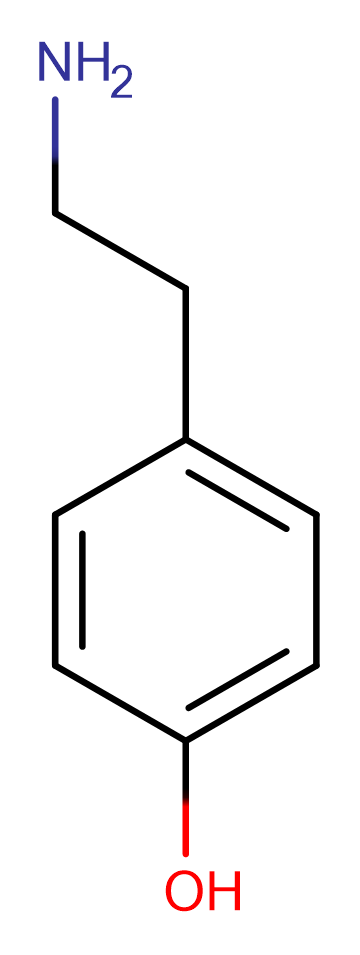
Tyloxapol
CAS No. 25301-02-4
Tyloxapol( —— )
Catalog No. M13750 CAS No. 25301-02-4
Tyloxapol is a non-ionic detergent often used as a surfactant.
Purity : >98% (HPLC)
 COA
Datasheet
HNMR
HPLC
MSDS
Handing Instructions
COA
Datasheet
HNMR
HPLC
MSDS
Handing Instructions
| Size | Price / USD | Stock | Quantity |
| 100MG | Get Quote | In Stock |


|
| 200MG | 28 | In Stock |
|
| 500MG | 41 | In Stock |
|
| 1G | 49 | In Stock |
|
Biological Information
-
Product NameTyloxapol
-
NoteResearch use only, not for human use.
-
Brief DescriptionTyloxapol is a non-ionic detergent often used as a surfactant.
-
DescriptionTyloxapol is a non-ionic detergent often used as a surfactant.
-
In Vitro——
-
In VivoAnimal Model:Twenty-one adult male Wistar rats, aged 11–12 weeks weighing 180-200 g.Dosage:50 mg/kg.Administration:Injected intraperitoneally, BW, every other day.Result:Caused a significant (P?< 0.05) elevation in the levels of TBARS combined with an inhibition of the antioxidant enzymes (GPx, GST, CAT, SOD) in rat plasma, liver, and brain.Induced DNA fragmentation and inhibited the activities of acetylcholinesterase and mono aminoxidase in the brain.
-
Synonyms——
-
PathwayApoptosis
-
TargetNF-κB
-
RecptorNF-κB| LPL
-
Research Area——
-
Indication——
Chemical Information
-
CAS Number25301-02-4
-
Formula Weight137.18
-
Molecular FormulaC70H124O13
-
Purity>98% (HPLC)
-
SolubilityDMSO: 10 mM
-
SMILESNCCC1=CC=C(O)C=C1
-
Chemical Name——
Shipping & Storage Information
-
Storage(-20℃)
-
ShippingWith Ice Pack
-
Stability≥ 2 years
Reference
1.Levine S, Saltzman A. J Pharmacol Toxicol Methods. 2007 Mar-Apr;55(2):224-6.
molnova catalog



related products
-
Aurantiamide
Aurantiamide has anti-cancer anti-inflammatory and antinociceptive activities it may suppress the growth of malignant gliomas by blocking autophagic flux.Aurantiamide has an anti-neuroinflammatory effect on LPS stimulation through its inhibition of the NF-κB JNK and p38 pathways.
-
Iguratimod
A novel disease-modifying antirheumatic drug that inhibits NF-kappaB (NF-κB) p65 subunit (RelA) phosphorylation and nuclear translocation without affecting IKBα degradation.
-
Ginsenoside Rb1
Ginsenoside Rb1 is part of a class of steroid glycosides; may have properties that inhibit or prevent the growth of tumors.
