


 Cart
Cart
 sales@molnova.com


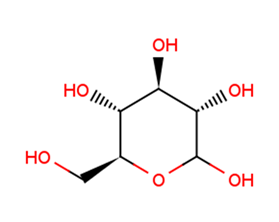
L-GLUCOSE
CAS No. 921-60-8
L-GLUCOSE( L-(-)-Glucose )
Catalog No. M19912 CAS No. 921-60-8
L-Glucose is an enantiomer of D-glucose. L-Glucose is not bioavailable to cells as an energy source because it cannot be phosphorylated by hexokinase.
Purity : >98% (HPLC)
 COA
Datasheet
HNMR
HPLC
MSDS
Handing Instructions
COA
Datasheet
HNMR
HPLC
MSDS
Handing Instructions
| Size | Price / USD | Stock | Quantity |
| 100MG | 37 | In Stock |


|
| 200MG | Get Quote | In Stock |
|
| 500MG | Get Quote | In Stock |
|
| 1G | Get Quote | In Stock |
|
Biological Information
-
Product NameL-GLUCOSE
-
NoteResearch use only, not for human use.
-
Brief DescriptionL-Glucose is an enantiomer of D-glucose. L-Glucose is not bioavailable to cells as an energy source because it cannot be phosphorylated by hexokinase.
-
DescriptionL-Glucose is an enantiomer of D-glucose. L-Glucose is not bioavailable to cells as an energy source because it cannot be phosphorylated by hexokinase.
-
In Vitro——
-
In Vivo——
-
SynonymsL-(-)-Glucose
-
PathwayOthers
-
TargetOther Targets
-
RecptorOthers
-
Research Area——
-
Indication——
Chemical Information
-
CAS Number921-60-8
-
Formula Weight180.16
-
Molecular FormulaC6H12O6
-
Purity>98% (HPLC)
-
SolubilityDMSO: 30 mg/mL;Water: 50 mg/mL
-
SMILESOC[C@@H]1OC(O)[C@@H](O)[C@H](O)[C@H]1O
-
Chemical Name(3S4R5R6S)-6-(hydroxymethyl)tetrahydro-2H-pyran-2345-tetraol
Shipping & Storage Information
-
Storage(-20℃)
-
ShippingWith Ice Pack
-
Stability≥ 2 years
Reference
1.Shimizu T et al. An L-glucose catabolic pathway in Paracoccus species 43P. J Biol Chem. 2012 Nov 23;287(48):40448-56.
molnova catalog



related products
-
Chlorogenic Acid
Chlorogenic acid(NSC-407296; 3-O-Caffeoylquinic acid) is one of the most abundant polyphenols in the human diet, has been reported to inhibit Y cell growth and a major anti-inflammatory constituent of lonicerae flos extract.
-
L-allo-Threonine
Threonine is an essential amino acid in humans. It is abundant in human plasma particularly in newborns. Severe deficiency of threonine causes neurological dysfunction and lameness in experimental animals. Threonine is an immunostimulant which promotes the growth of thymus gland. It also can probably promote cell immune defense function.
-
MALAT1-IN-1
MALAT1-IN-1 modulated Malat1 downstream genes in a dose-dependent manner without affecting the expression of nuclear enriched abundant transcript 1 (Neat1).
