


 Cart
Cart
 sales@molnova.com


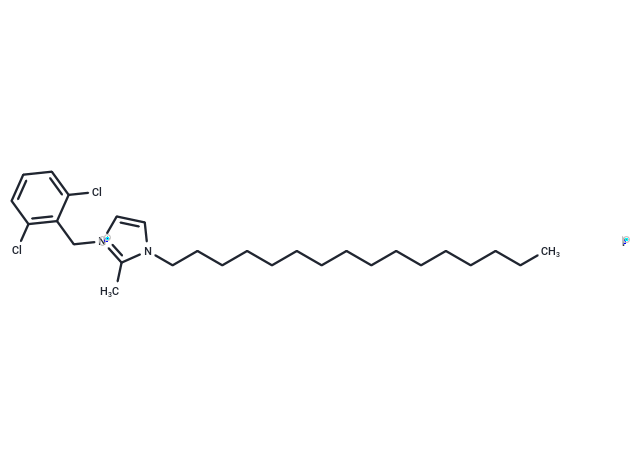
Aldometanib
CAS No. 2904601-67-6
Aldometanib( —— )
Catalog No. M35330 CAS No. 2904601-67-6
Aldometanib (LXY-05-029) is an orally active aldolase inhibitor that prevents FBP from binding to v-ATPase-associated aldolase and activates lysosomal AMPK, useful in metabolic homeostasis research .
Purity : >98% (HPLC)
 COA
Datasheet
HNMR
HPLC
MSDS
Handing Instructions
COA
Datasheet
HNMR
HPLC
MSDS
Handing Instructions
| Size | Price / USD | Stock | Quantity |
| 2MG | 58 | Get Quote |


|
| 5MG | 79 | Get Quote |
|
| 10MG | 125 | Get Quote |
|
| 25MG | 265 | Get Quote |
|
| 50MG | 393 | Get Quote |
|
| 100MG | 569 | Get Quote |
|
| 200MG | 794 | Get Quote |
|
| 500MG | 1215 | Get Quote |
|
| 1G | Get Quote | Get Quote |
|
Biological Information
-
Product NameAldometanib
-
NoteResearch use only, not for human use.
-
Brief DescriptionAldometanib (LXY-05-029) is an orally active aldolase inhibitor that prevents FBP from binding to v-ATPase-associated aldolase and activates lysosomal AMPK, useful in metabolic homeostasis research .
-
DescriptionAldometanib (LXY-05-029) is an orally active aldolase inhibitor. Aldometanib can activate lysosomal adenosine monophosphate-activated protein kinase (AMPK) and decreases blood glucose. Aldometanib can be used for the research of metabolic homeostasis.
-
In VitroWestern Blot Analysis Cell Line:Mouse primary hepatocytes, MEFs cells Concentration:0-1000 nM Incubation Time:2 h Result:Activated AMPK in mouse embryonic fibroblasts (MEFs) and mouse primary hepatocytes cells.Immunofluorescence Cell Line:MEFs cells Concentration:5 nM Incubation Time:2 h Result:Inhibited TRPVs and induces AXIN lysosomal translocation.
-
In VivoAnimal Model:Lean mice Dosage:0-10 mpk Administration:Oral Result:Decreased fasting blood glucose and improved glucose tolerance, promoted muscular TBC1D1 phosphorylation and glucose uptake.Animal Model:Obese hyperglycaemic mice Dosage:2-10 mpk Administration:Oral, twice daily, for a week Result:Decreased blood glucose, lowered blood glucose in a muscular AMPK-dependent manner reduced hepatic TAG, improved insulin sensitivity, increased glucose disposal rates, inhibited TAG synthesis in liver and primary hepatocytes, decreased fat mass.Animal Model:NASH mice Dosage:2 mpk Administration:Oral, twice-daily, for a month Result:Decreased histological scores used to describe the features of NASH, reduced apoptosis rate of hepatic cells, inhibited inflammatory responses in the liver of NASH mice and improved glucose tolerance of NASH mice.Animal Model:C. elegans Dosage:0-50 μM Administration:Oral, 0-50 days Result:Promoted oxidative stress resistance and mitochondrial functions in C. elegans.Animal Model:C57BL/6 mice Dosage:100 μg/mL Administration:Oral Result:Extended lifespan, elevated NAD+ levels and mitochondrial oxidative respiration, rejuvenated muscle function in aged mice.
-
Synonyms——
-
PathwayMembrane Transporter/Ion Channel
-
TargetAMPK
-
RecptorAMPK
-
Research Area——
-
Indication——
Chemical Information
-
CAS Number2904601-67-6
-
Formula Weight593.46
-
Molecular FormulaC27H43Cl2IN2
-
Purity>98% (HPLC)
-
SolubilityIn Vitro:?DMSO : 100 mg/mL (168.51 mM; Ultrasonic (<60°C)
-
SMILESCC1=[N+](C=CN1CCCCCCCCCCCCCCCC)CC2=C(Cl)C=CC=C2Cl.[I-]
-
Chemical Name——
Shipping & Storage Information
-
Storage(-20℃)
-
ShippingWith Ice Pack
-
Stability≥ 2 years
Reference
1. Chen-Song Zhang, et al. The aldolase inhibitor aldometanib mimics glucose starvation to activate lysosomal AMPK. Nat Metab. 2022 Oct 10.?
molnova catalog



related products
-
Deoxyarbutin
DeoxyArbutin(IC50=50 nM) inhibits tyrosinase activity reversibly.
-
MSX-122
MSX-122 is a novel small molecule and partial CXCR4 antagonist, with potent inhibition of CXCR4/CXCL12 actions(IC50 = 10 nM).
-
GSK621
GSK621 (GSK-621) is a potent, specific AMPK agonist (activator), induces cytotoxicity in AML (IC50=13-30 uM).
