


 Cart
Cart
 sales@molnova.com


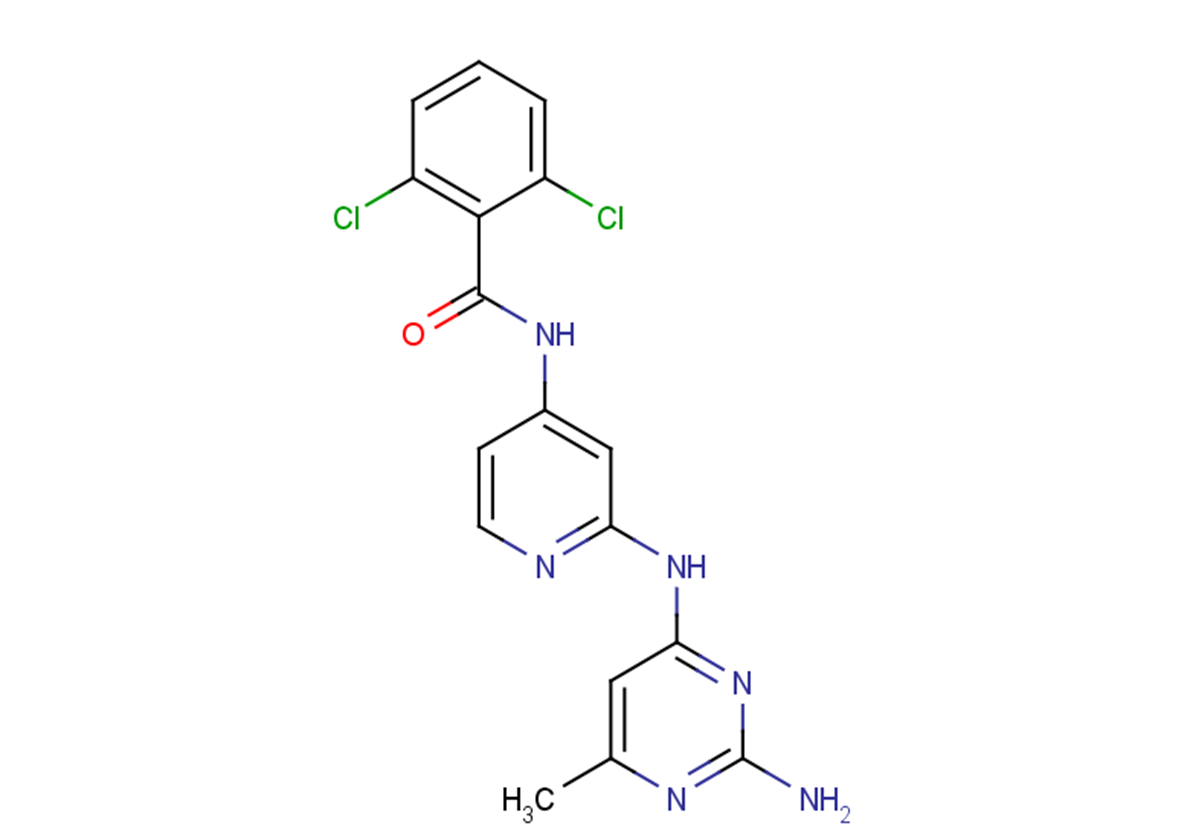
RO495
CAS No. 1258296-60-4
RO495( CS-2667 )
Catalog No. M22954 CAS No. 1258296-60-4
RO495, a potent inhibitor of TYK2, inhibits TYK2 with IC50 of 1.5nM as tested in cell-based pharmacological assays.
Purity : >98% (HPLC)
 COA
Datasheet
HNMR
HPLC
MSDS
Handing Instructions
COA
Datasheet
HNMR
HPLC
MSDS
Handing Instructions
| Size | Price / USD | Stock | Quantity |
| 5MG | 178 | In Stock |


|
| 10MG | 290 | In Stock |
|
| 25MG | 560 | In Stock |
|
| 50MG | 822 | In Stock |
|
| 100MG | 1107 | In Stock |
|
| 200MG | Get Quote | In Stock |
|
| 500MG | Get Quote | In Stock |
|
| 1G | Get Quote | In Stock |
|
Biological Information
-
Product NameRO495
-
NoteResearch use only, not for human use.
-
Brief DescriptionRO495, a potent inhibitor of TYK2, inhibits TYK2 with IC50 of 1.5nM as tested in cell-based pharmacological assays.
-
DescriptionRO495, a potent inhibitor of TYK2, inhibits TYK2 with IC50 of 1.5nM as tested in cell-based pharmacological assays.
-
In Vitro——
-
In Vivo——
-
SynonymsCS-2667
-
PathwayProteasome/Ubiquitin
-
TargetTyrosinase
-
RecptorTYK2
-
Research Area——
-
Indication——
Chemical Information
-
CAS Number1258296-60-4
-
Formula Weight389.2
-
Molecular FormulaC17H14Cl2N6O
-
Purity>98% (HPLC)
-
SolubilityIn Vitro:?DMSO : 100 mg/mL (256.91 mM)
-
SMILESO=C(NC1=CC(NC2=NC(N)=NC(C)=C2)=NC=C1)C3=C(Cl)C=CC=C3Cl
-
Chemical Name——
Shipping & Storage Information
-
Storage(-20℃)
-
ShippingWith Ice Pack
-
Stability≥ 2 years
Reference
molnova catalog



related products
-
Tyrphostin AG30(AG30...
Tyrphostin AG30 (AG30) is a potent protein tyrosine kinases (PTK) inhibitor.
-
(±)-Taxifolin
(±)-Taxifolin ((±)-Dihydroquercetin) is the racemate of Taxifolin, a flavonoid with anti-tyrosinase and anti-fibrotic activity, commonly found in onion, silymarin, French maritime pine bark, and Douglas fir bark. It inhibits collagenase with an IC50 value of 193.3 μM and acts as a free radical scavenger with antioxidant capacity.
-
SU 5616
SU 5616 (WAY-608241) regulates abnormal cell proliferation and modulates tyrosine kinase signaling.
