


 Cart
Cart
 sales@molnova.com


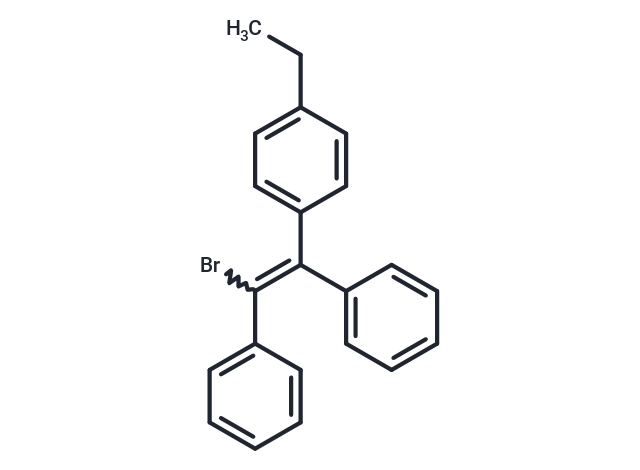
broparestrol
CAS No. 479-68-5
broparestrol( —— )
Catalog No. M37668 CAS No. 479-68-5
broparestrol is a useful organic compound for research related to life sciences. The catalog number is T9801 and the CAS number is 479-68-5.
Purity : >98% (HPLC)
 COA
Datasheet
HNMR
HPLC
MSDS
Handing Instructions
COA
Datasheet
HNMR
HPLC
MSDS
Handing Instructions
| Size | Price / USD | Stock | Quantity |
| 5MG | 185 | In Stock |


|
| 10MG | 271 | In Stock |
|
| 25MG | 427 | In Stock |
|
| 50MG | 559 | In Stock |
|
| 100MG | 749 | In Stock |
|
| 200MG | 1014 | In Stock |
|
| 500MG | Get Quote | In Stock |
|
| 1G | Get Quote | In Stock |
|
Biological Information
-
Product Namebroparestrol
-
NoteResearch use only, not for human use.
-
Brief Descriptionbroparestrol is a useful organic compound for research related to life sciences. The catalog number is T9801 and the CAS number is 479-68-5.
-
Descriptionbroparestrol is a useful organic compound for research related to life sciences. The catalog number is T9801 and the CAS number is 479-68-5.
-
In Vitro——
-
In Vivo——
-
Synonyms——
-
PathwayOthers
-
TargetOther Targets
-
RecptorOthers
-
Research Area——
-
Indication——
Chemical Information
-
CAS Number479-68-5
-
Formula Weight363.29
-
Molecular FormulaC22H19Br
-
Purity>98% (HPLC)
-
Solubility——
-
SMILESBrC(C=1C=CC=CC1)=C(C=2C=CC=CC2)C3=CC=C(C=C3)CC
-
Chemical Name——
Shipping & Storage Information
-
Storage(-20℃)
-
ShippingWith Ice Pack
-
Stability≥ 2 years
Reference
molnova catalog



related products
-
hydrocotarnine
hydrocotarnine?is an inhibitor of Cbl.
-
Rebaudioside D
Rebaudioside D is a potential sweetener. Rebaudioside D shows similar stability when exposed to simulate stomach and small intestine fluids with susceptibility to hydrolytic degradation by enteric bacteria collected from the cecum.
-
WWamide-3
WWamide-3
