


 Cart
Cart
 sales@molnova.com


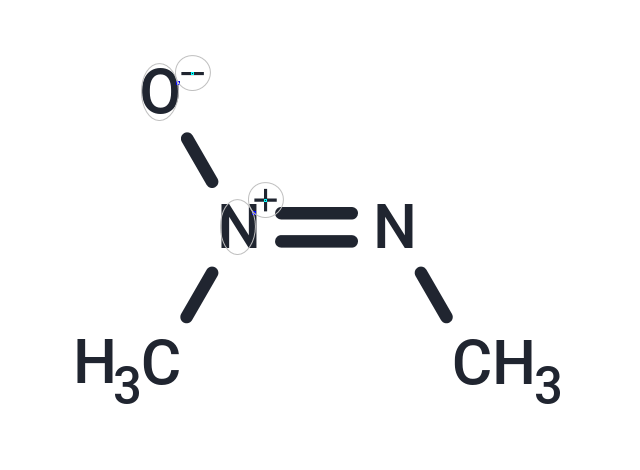
Azoxymethane
CAS No. 25843-45-2
Azoxymethane( —— )
Catalog No. M36563 CAS No. 25843-45-2
Azoxymethane (AOM) is a DNA damaging agent that induces cancer and can be used in mouse models of colorectal cancer.
Purity : >98% (HPLC)
 COA
Datasheet
HNMR
HPLC
MSDS
Handing Instructions
COA
Datasheet
HNMR
HPLC
MSDS
Handing Instructions
| Size | Price / USD | Stock | Quantity |
| 5MG | 370 | In Stock |


|
| 10MG | 663 | In Stock |
|
| 100MG | Get Quote | In Stock |
|
| 200MG | Get Quote | In Stock |
|
| 500MG | Get Quote | In Stock |
|
| 1G | Get Quote | In Stock |
|
Biological Information
-
Product NameAzoxymethane
-
NoteResearch use only, not for human use.
-
Brief DescriptionAzoxymethane (AOM) is a DNA damaging agent that induces cancer and can be used in mouse models of colorectal cancer.
-
DescriptionAzoxymethane is a colon carcinogen which leads to the formation of DNA adducts.
-
In Vitro——
-
In Vivo——
-
Synonyms——
-
PathwayCell Cycle/DNA Damage
-
TargetDNA/RNA Synthesis
-
RecptorDNA
-
Research Area——
-
Indication——
Chemical Information
-
CAS Number25843-45-2
-
Formula Weight74.08
-
Molecular FormulaC2H6N2O
-
Purity>98% (HPLC)
-
Solubility——
-
SMILESC\N=[N+](/C)[O-]
-
Chemical Name——
Shipping & Storage Information
-
Storage(-20℃)
-
ShippingWith Ice Pack
-
Stability≥ 2 years
Reference
1. Megaraj V, et al. Role of hepatic and intestinal p450 enzymes in the metabolic activation of the colon carcinogen azoxymethane in mice. Chem Res Toxicol. 2014 Apr 21;27(4):656-62.?
molnova catalog



related products
-
Synucleozid hydrochl...
Synucleozid hydrochloride inhibits the translation of the intrinsically disordered protein α-synuclein by targeting its structured mRNA.
-
APE1-IN-1
APE1-IN-1 is a potent inhibitor of purine/pyrimidine endonuclease 1 (APE1) that crosses the blood-brain barrier, exhibits potential antitumor activity, and enhances the cytotoxicity of the alkylating agent [methyl methanesulfonate] on cancer cells.
-
Enrofloxacin
Enrofloxacin is a fluoroquinolone antibiotic.
