


 Cart
Cart
 sales@molnova.com


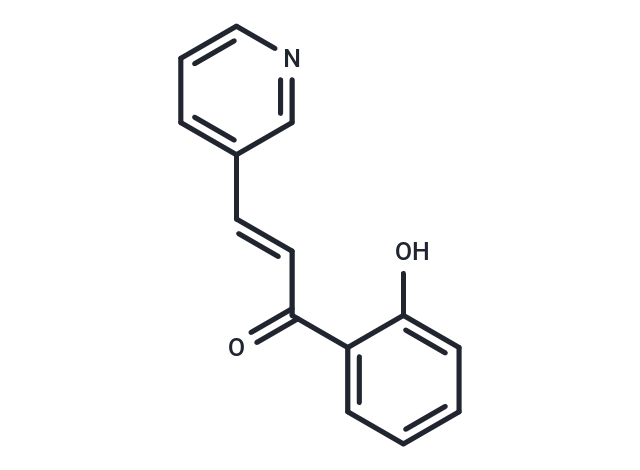
NSC49652
CAS No. 908563-68-8
NSC49652( —— )
Catalog No. M34352 CAS No. 908563-68-8
NSC49652 triggers apoptotic cell death dependent on p75NTR and JNK activity in neurons and melanoma cells, and inhibits tumor growth in a melanoma mouse model.
Purity : >98% (HPLC)
 COA
Datasheet
HNMR
HPLC
MSDS
Handing Instructions
COA
Datasheet
HNMR
HPLC
MSDS
Handing Instructions
| Size | Price / USD | Stock | Quantity |
| 1 mL x 10 mM in DMSO | 75 | In Stock |


|
| 5MG | 68 | In Stock |
|
| 10MG | 116 | In Stock |
|
| 25MG | 235 | In Stock |
|
| 50MG | 365 | In Stock |
|
| 100MG | 548 | In Stock |
|
| 200MG | Get Quote | In Stock |
|
| 500MG | 1190 | In Stock |
|
| 1G | Get Quote | In Stock |
|
Biological Information
-
Product NameNSC49652
-
NoteResearch use only, not for human use.
-
Brief DescriptionNSC49652 triggers apoptotic cell death dependent on p75NTR and JNK activity in neurons and melanoma cells, and inhibits tumor growth in a melanoma mouse model.
-
DescriptionNSC49652 is a reversible, orally active p75 neurotrophin receptor (p75NTR, also known as NGFR, TNFRSF16, and CD271) agonist. NSC49652 targets the transmembrane domain of p75NTR. NSC49652 induces apoptosis and affects the viability of melanoma cells.
-
In Vitro——
-
In Vivo——
-
Synonyms——
-
PathwayApoptosis
-
TargetApoptosis
-
RecptorApoptosis
-
Research Area——
-
Indication——
Chemical Information
-
CAS Number908563-68-8
-
Formula Weight225.24
-
Molecular FormulaC14H11NO2
-
Purity>98% (HPLC)
-
SolubilityIn Vitro:?DMSO : ≥ 20.83 mg/mL (92.48 mM; )
-
SMILESOc1ccccc1C(=O)\C=C\c1cccnc1
-
Chemical Name——
Shipping & Storage Information
-
Storage(-20℃)
-
ShippingWith Ice Pack
-
Stability≥ 2 years
Reference
1. Goh ETH, et al. A Small Molecule Targeting the Transmembrane Domain of Death Receptor p75NTR Induces Melanoma Cell Death and Reduces Tumor Growth. Cell Chem Biol. 2018 Dec 20;25(12):1485-1494.e5.?
molnova catalog



related products
-
Flavokawain B
Flavokawain B is a natural chalcone that can induce apoptosis in androgen receptor-negative, hormone-refractory prostate cancer cell lines (IC50=3-50 uM).
-
Silvestrol
Silvestrol is a potential anticancer rocaglate derivative from Aglaia foveolata, induces apoptosis in cancer cells through the mitochondrial/apoptosome pathway.
-
Beta-mangostin
Beta-Mangostin (β-Mangostin) is a xanthone compound with antibacterial and antimalarial activities.
