


 Cart
Cart
 sales@molnova.com


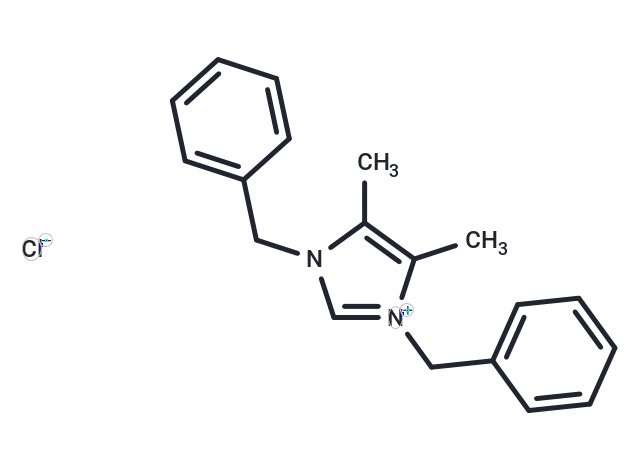
Lepidiline A
CAS No. 596093-98-0
Lepidiline A( —— )
Catalog No. M34091 CAS No. 596093-98-0
Lepidiline A (Macaline A) is a flavonoid lignin with anti-inflammatory activity. Lepidiline A showed cytotoxic activity against HL-60 cells with IC50 of 32.3 μM.
Purity : >98% (HPLC)
 COA
Datasheet
HNMR
HPLC
MSDS
Handing Instructions
COA
Datasheet
HNMR
HPLC
MSDS
Handing Instructions
| Size | Price / USD | Stock | Quantity |
| 5MG | 101 | In Stock |


|
| 10MG | 180 | In Stock |
|
| 25MG | 353 | In Stock |
|
| 50MG | 508 | In Stock |
|
| 100MG | 714 | In Stock |
|
| 200MG | Get Quote | In Stock |
|
| 500MG | Get Quote | In Stock |
|
| 1G | Get Quote | In Stock |
|
Biological Information
-
Product NameLepidiline A
-
NoteResearch use only, not for human use.
-
Brief DescriptionLepidiline A (Macaline A) is a flavonoid lignin with anti-inflammatory activity. Lepidiline A showed cytotoxic activity against HL-60 cells with IC50 of 32.3 μM.
-
DescriptionLepidiline A shows cytotoxic activity against HL-60 cells with an IC50 of 32.3 μM.
-
In Vitro——
-
In Vivo——
-
Synonyms——
-
PathwayOthers
-
TargetOther Targets
-
RecptorOthers
-
Research Area——
-
Indication——
Chemical Information
-
CAS Number596093-98-0
-
Formula Weight312.84
-
Molecular FormulaC19H21ClN2
-
Purity>98% (HPLC)
-
SolubilityIn Vitro:?DMSO : 62.5 mg/mL (199.78 mM; Ultrasonic )
-
SMILES[Cl-].Cc1c(C)[n+](Cc2ccccc2)cn1Cc1ccccc1
-
Chemical Name——
Shipping & Storage Information
-
Storage(-20℃)
-
ShippingWith Ice Pack
-
Stability≥ 2 years
Reference
1. Mlostoń G, et al. Synthesis and Cytotoxic Activity of Lepidilines A-D: Comparison with Some 4,5-Diphenyl Analogues and Related Imidazole-2-thiones. J Nat Prod. 2021 Nov 22. ?
molnova catalog



related products
-
D-Gluconic acid, 6-[...
trans-Caffeoyl-6-O-D-gluconic acid is a natural product, that can be isolated from the nearly ripe fruits of Evodia rutaecarpa (Juss.) Benth..
-
Biotin-Amyloid β-Pro...
Biotin-Amyloid β-Protein (1-40)
-
Peptide YY(3-36), PY...
Peptide YY (PYY) (3-36), Human is an endogenous appetite suppressing peptide. Peptide YY (PYY) (3-36), Human, a neuropeptide Y (NPY) Y2 receptor agonist, is a powerful inhibitor of intestinal secretion.
