


 Cart
Cart
 sales@molnova.com


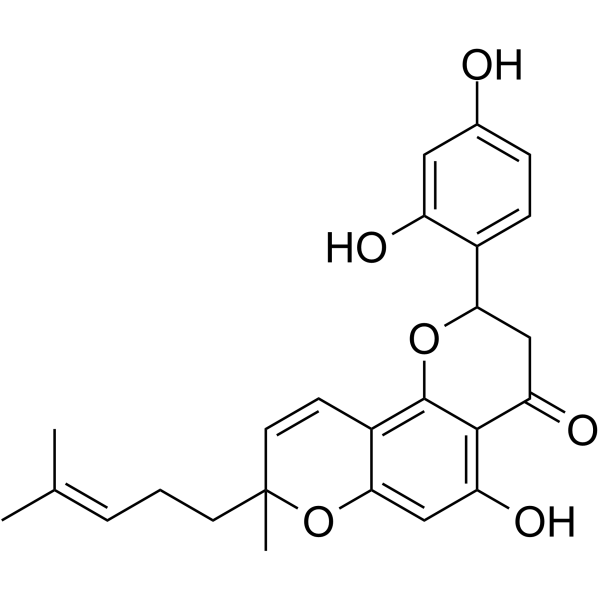
Sanggenol L
CAS No. 329319-20-2
Sanggenol L( —— )
Catalog No. M31329 CAS No. 329319-20-2
Sanggenol L shows higher cytotoxicity against human oral tumor cell lines (HSC-2 and HSG) than against normal human gingival fibroblasts (HGF), it induces apoptosis via caspase activation and inhibition of NF-κB/IκBα± phosphorylation as a potent chemotherapeutic agent for ovarian cancers.
Purity : >98% (HPLC)
 COA
Datasheet
HNMR
HPLC
MSDS
Handing Instructions
COA
Datasheet
HNMR
HPLC
MSDS
Handing Instructions
| Size | Price / USD | Stock | Quantity |
| 5MG | 297 | In Stock |


|
| 50MG | Get Quote | In Stock |
|
| 100MG | Get Quote | In Stock |
|
| 200MG | Get Quote | In Stock |
|
| 500MG | Get Quote | In Stock |
|
| 1G | Get Quote | In Stock |
|
Biological Information
-
Product NameSanggenol L
-
NoteResearch use only, not for human use.
-
Brief DescriptionSanggenol L shows higher cytotoxicity against human oral tumor cell lines (HSC-2 and HSG) than against normal human gingival fibroblasts (HGF), it induces apoptosis via caspase activation and inhibition of NF-κB/IκBα± phosphorylation as a potent chemotherapeutic agent for ovarian cancers.
-
DescriptionSanggenol L shows higher cytotoxicity against human oral tumor cell lines (HSC-2 and HSG) than against normal human gingival fibroblasts (HGF), it induces apoptosis via caspase activation and inhibition of NF-κB/IκBα± phosphorylation as a potent chemotherapeutic agent for ovarian cancers.
-
In Vitro——
-
In Vivo——
-
Synonyms——
-
PathwayOthers
-
TargetOther Targets
-
Recptor——
-
Research Area——
-
Indication——
Chemical Information
-
CAS Number329319-20-2
-
Formula Weight422.5
-
Molecular FormulaC25H26O6
-
Purity>98% (HPLC)
-
Solubility——
-
SMILES——
-
Chemical Name——
Shipping & Storage Information
-
Storage(-20℃)
-
ShippingWith Ice Pack
-
Stability≥ 2 years
Reference
molnova catalog



related products
-
Naringenin chalcone ...
Naringenin chalcone is a product natural isolated from stems of Machaerium isadelphum (Fabaceae).
-
Mizoribine
An immunosuppressive agent that inhibits the proliferation of lymphocytes selectively, via inhibition of IMPDH.Rheumatoid ArthritisApproved
-
Sericoside
Sericoside, a triterpenoid compound, is obtained from Terminalia and exhibits potent anti-inflammatory properties. Additionally, sericoside displays robust lipolytic activity, thereby aiding in the reduction of skin wrinkles and improvement of skin texture.
