


 Cart
Cart
 sales@molnova.com


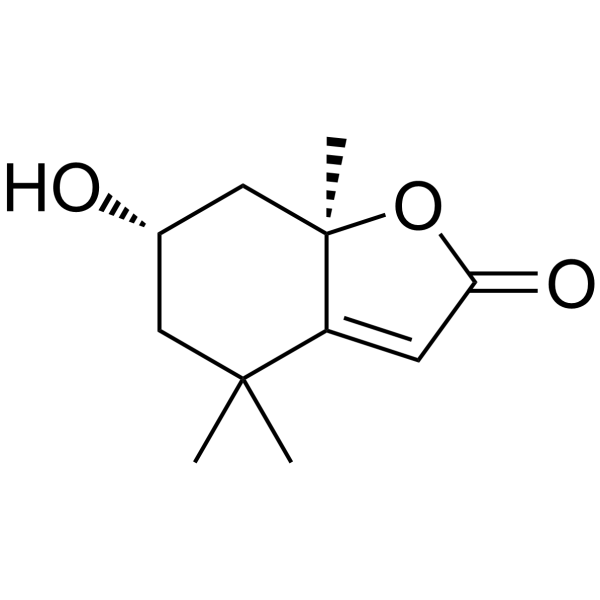
Loliolid
CAS No. 5989-02-6
Loliolid( —— )
Catalog No. M31325 CAS No. 5989-02-6
Loliolid is a germination inhibitor, and a repellent for ants (Atta cephalotes).It has cytostatic activity against carcnoma and leukaemia cells.
Purity : >98% (HPLC)
 COA
Datasheet
HNMR
HPLC
MSDS
Handing Instructions
COA
Datasheet
HNMR
HPLC
MSDS
Handing Instructions
| Size | Price / USD | Stock | Quantity |
| 5MG | 414 | In Stock |


|
| 50MG | Get Quote | In Stock |
|
| 100MG | Get Quote | In Stock |
|
| 200MG | Get Quote | In Stock |
|
| 500MG | Get Quote | In Stock |
|
| 1G | Get Quote | In Stock |
|
Biological Information
-
Product NameLoliolid
-
NoteResearch use only, not for human use.
-
Brief DescriptionLoliolid is a germination inhibitor, and a repellent for ants (Atta cephalotes).It has cytostatic activity against carcnoma and leukaemia cells.
-
DescriptionLoliolid is a germination inhibitor, and a repellent for ants (Atta cephalotes).It has cytostatic activity against carcnoma and leukaemia cells.
-
In Vitro——
-
In Vivo——
-
Synonyms——
-
PathwayOthers
-
TargetOther Targets
-
Recptor——
-
Research Area——
-
Indication——
Chemical Information
-
CAS Number5989-02-6
-
Formula Weight196.2
-
Molecular FormulaC11H16O3
-
Purity>98% (HPLC)
-
Solubility——
-
SMILES——
-
Chemical Name——
Shipping & Storage Information
-
Storage(-20℃)
-
ShippingWith Ice Pack
-
Stability≥ 2 years
Reference
molnova catalog



related products
-
Launobine
Launobine is a bioactive alkaloid.
-
1-Kestose
1-Kestose shows significant anti-hydroxyl radical potential. 1-Kestose can promote intestinal Lactobacillus number and influence the microorganisms as well as the intestinal and systemic immune responses.
-
Ethanolamine
2-Aminoethanol (ethanolamine) can inhibit the GABA degrading enzyme GABA aminotransferase (GABA-T).
