


 Cart
Cart
 sales@molnova.com


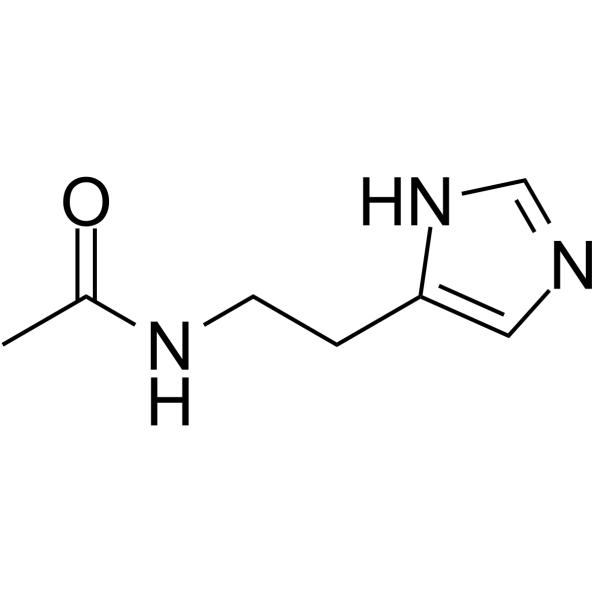
N-Acetylhistamine
CAS No. 673-49-4
N-Acetylhistamine( N-Omega-acetylhistamine )
Catalog No. M27091 CAS No. 673-49-4
N-Acetylhistamine is a metabolite of histamine.
Purity : >98% (HPLC)
 COA
Datasheet
HNMR
HPLC
MSDS
Handing Instructions
COA
Datasheet
HNMR
HPLC
MSDS
Handing Instructions
| Size | Price / USD | Stock | Quantity |
| 1 mL x 10 mM in DMSO | 28 | In Stock |


|
| 25MG | 47 | In Stock |
|
| 100MG | Get Quote | In Stock |
|
| 200MG | Get Quote | In Stock |
|
| 500MG | Get Quote | In Stock |
|
| 1G | Get Quote | In Stock |
|
Biological Information
-
Product NameN-Acetylhistamine
-
NoteResearch use only, not for human use.
-
Brief DescriptionN-Acetylhistamine is a metabolite of histamine.
-
DescriptionN-Acetylhistamine is a metabolite of histamine.(In Vitro):N-Acetylhistamine can be used as a biomarker of histidine metabolism for anaphylactoid reactions.
-
In VitroN-Acetylhistamine is an important indice for anaphylactoid reactions.
-
In Vivo——
-
SynonymsN-Omega-acetylhistamine
-
PathwayProteasome/Ubiquitin
-
TargetEndogenous Metabolite
-
RecptorAntibacterial| Antibiotic
-
Research Area——
-
Indication——
Chemical Information
-
CAS Number673-49-4
-
Formula Weight153.185
-
Molecular FormulaC7H11N3O
-
Purity>98% (HPLC)
-
SolubilityIn Vitro:?DMSO : ≥ 100 mg/mL (652.83 mM)
-
SMILESCC(=O)NCCc1c[nH]cn1
-
Chemical Name——
Shipping & Storage Information
-
Storage(-20℃)
-
ShippingWith Ice Pack
-
Stability≥ 2 years
Reference



-
Isonicotinic acid
Isonicotinic acid is a metabolite of Isoniazid.Isonicotinic acid is a useful isomer of nicotinic acid.?Isoniazid is converted to Isonicotinic acid by hydrazinolysis, with the biotransformation also to be catalyzed by cytochrome P450 enzymes, such as CYP2C.
-
Propionic acid
Propionic acid (PA) is widely used as an antifungal agent in food. It is present naturally at low levels in dairy products and occurs ubiquitously together with other short-chain fatty acids (SCFA) in the gastro-intestinal tract of humans and other mammals as an end-product of the microbial digestion of carbohydrates.
-
1-Methylguanosine
1-Methylguanosine is a methylated nucleoside. It is known that some modified, especially methylated, nucleosides originating from RNA degradation are excreted in abnormal levels in the urine of patients with malignant tumors.
