


 Cart
Cart
 sales@molnova.com


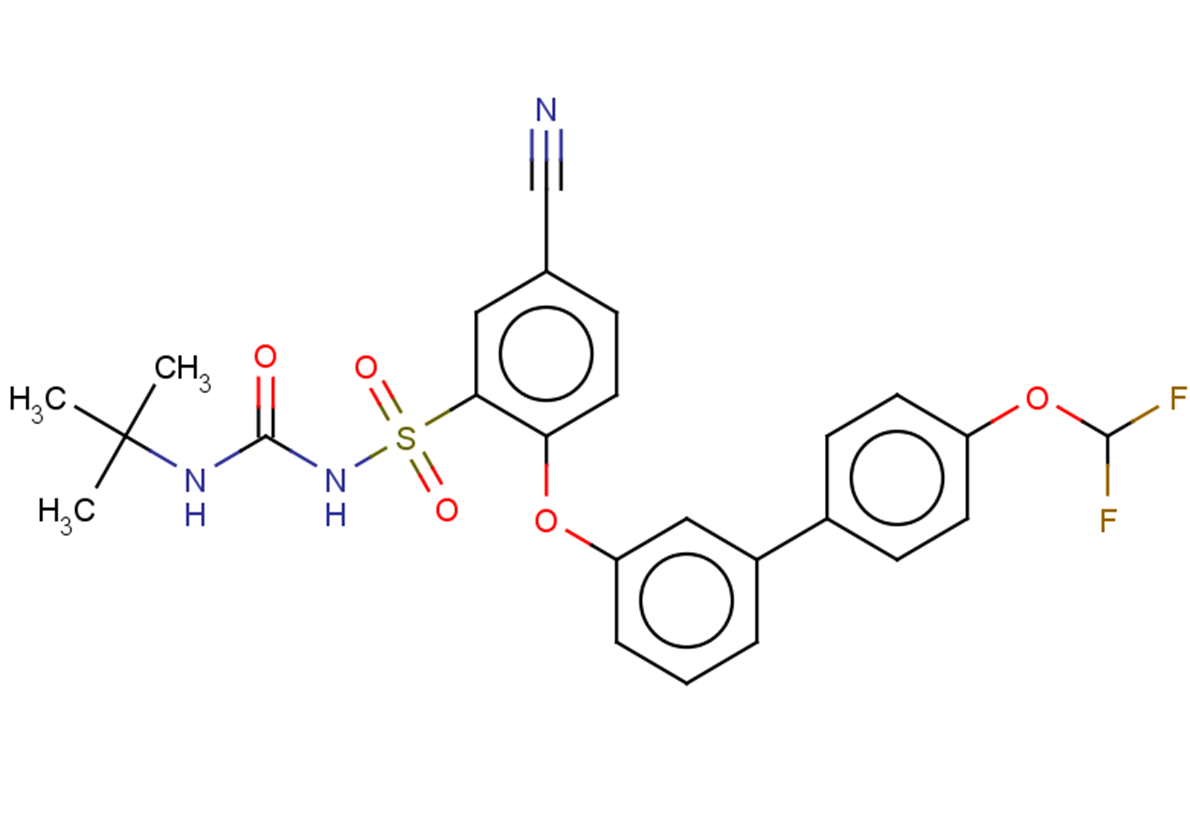
NTP42
CAS No. 2055599-51-2
NTP42( —— )
Catalog No. M23921 CAS No. 2055599-51-2
NTP42 is an antagonist of thromboxane A2 (TXA2) receptor(IC50 of 3.278 nM)
Purity : >98% (HPLC)
 COA
Datasheet
HNMR
HPLC
MSDS
Handing Instructions
COA
Datasheet
HNMR
HPLC
MSDS
Handing Instructions
| Size | Price / USD | Stock | Quantity |
| 1 mL x 10 mM in DMSO | 154 | In Stock |


|
| 2MG | 79 | In Stock |
|
| 5MG | 136 | In Stock |
|
| 10MG | 215 | In Stock |
|
| 25MG | 364 | In Stock |
|
| 50MG | 529 | In Stock |
|
| 100MG | 759 | In Stock |
|
| 200MG | Get Quote | In Stock |
|
| 500MG | Get Quote | In Stock |
|
| 1G | Get Quote | In Stock |
|
Biological Information
-
Product NameNTP42
-
NoteResearch use only, not for human use.
-
Brief DescriptionNTP42 is an antagonist of thromboxane A2 (TXA2) receptor(IC50 of 3.278 nM)
-
DescriptionNTP42 is an antagonist of thromboxane A2 (TXA2) receptor(IC50 of 3.278 nM) .
-
In Vitro——
-
In VivoAnimal Model:Male Wistar-Kyoto rats Dosage:0.25 mg/kg BID Administration:28-day drug treatment was initiated within 24 h post-MCT (60 mg/kg)Result:Reduced the MCT-induced PAH, including mPAP and RSVP.
-
Synonyms——
-
PathwayMetabolic Enzyme/Protease
-
TargetPPAR
-
RecptorTXA2R
-
Research Area——
-
Indication——
Chemical Information
-
CAS Number2055599-51-2
-
Formula Weight515.53
-
Molecular FormulaC25H23F2N3O5S
-
Purity>98% (HPLC)
-
SolubilityDMSO:30mg/mL (58.19 mM; Need ultrasonic)
-
SMILESCC(C)(C)NC(NS(c(cc(cc1)C#N)c1Oc1cc(-c(cc2)ccc2OC(F)F)ccc1)(=O)=O)=O
-
Chemical Name——
Shipping & Storage Information
-
Storage(-20℃)
-
ShippingWith Ice Pack
-
Stability≥ 2 years
Reference
1.B. Therese KINSELLA, et al. Thromboxane receptor antagonists. WO2016203314A1.
molnova catalog



related products
-
AZD2461
AZD2461 is a novel PARP inhibitor.
-
Dauricine
Dauricine has pulmonary toxicity, can produce pulmonary injury in CD-1 mice by the metabolism of Dauricine mediated by CYP3A.
-
FUREGRELATE
FUREGRELATE, a thromboxane A2 (TxA2) synthase inhibitor, blunts the development of pulmonary arterial hypertension in neonatal piglets.
