


 Cart
Cart
 sales@molnova.com


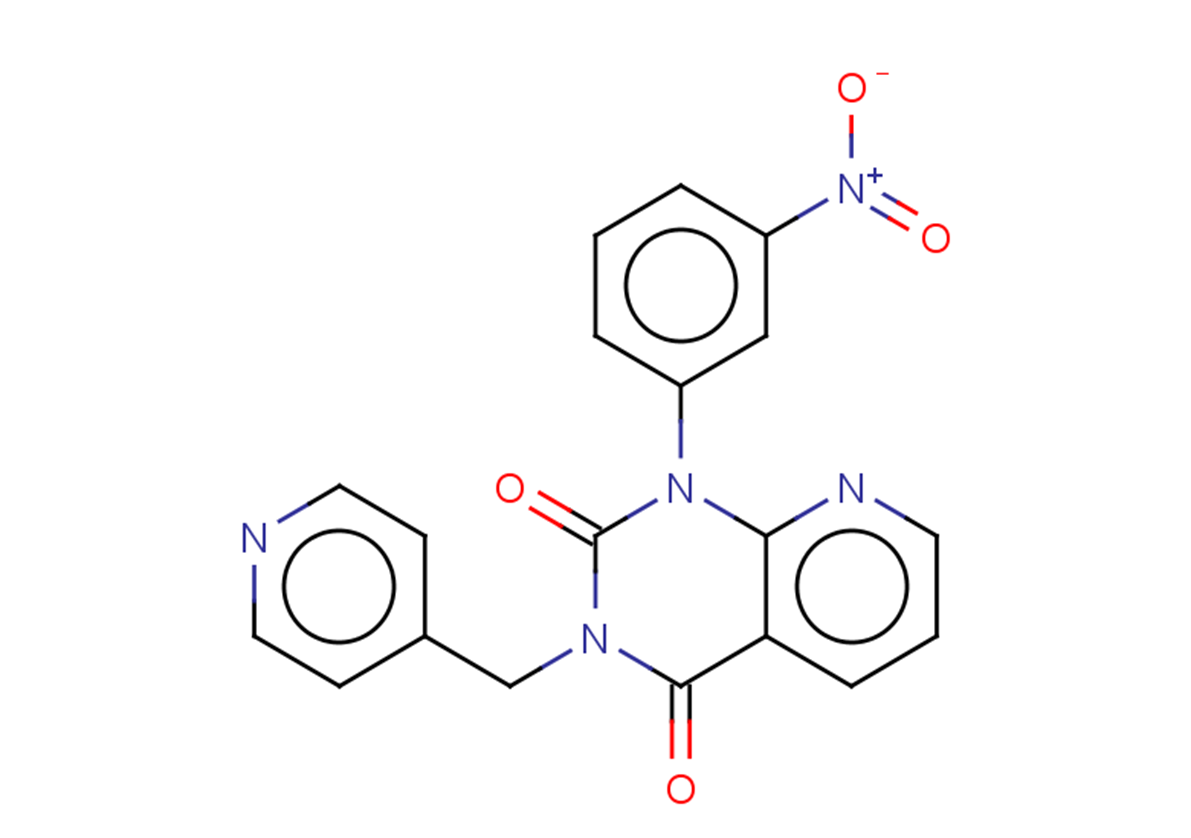
RS-25344
CAS No. 152814-89-6
RS-25344( —— )
Catalog No. M23659 CAS No. 152814-89-6
RS-25344 is a potent and selective phosphodiesterase (PDE) 4 inhibitor.
Purity : >98% (HPLC)
 COA
Datasheet
HNMR
HPLC
MSDS
Handing Instructions
COA
Datasheet
HNMR
HPLC
MSDS
Handing Instructions
| Size | Price / USD | Stock | Quantity |
| 1 mL x 10 mM in DMSO | 187 | In Stock |


|
| 5MG | 172 | In Stock |
|
| 10MG | 258 | In Stock |
|
| 25MG | 426 | In Stock |
|
| 50MG | 586 | In Stock |
|
| 100MG | 792 | In Stock |
|
| 200MG | 1051 | In Stock |
|
| 500MG | Get Quote | In Stock |
|
| 1G | Get Quote | In Stock |
|
Biological Information
-
Product NameRS-25344
-
NoteResearch use only, not for human use.
-
Brief DescriptionRS-25344 is a potent and selective phosphodiesterase (PDE) 4 inhibitor.
-
DescriptionRS-25344 is a potent and selective phosphodiesterase (PDE) 4 inhibitor. It inhibits eosinophil chemotaxis and increases progressive motility of spermatozoa in vitro.
-
In Vitro——
-
In Vivo——
-
Synonyms——
-
PathwayAngiogenesis
-
TargetPDE
-
RecptorPDE4| PDE1|PDE2|PDE3
-
Research Area——
-
Indication——
Chemical Information
-
CAS Number152814-89-6
-
Formula Weight375.34
-
Molecular FormulaC19H13N5O4
-
Purity>98% (HPLC)
-
Solubility——
-
SMILES[O-][N+](c1cc(N(c2ncccc2C(N2Cc3ccncc3)=O)C2=O)ccc1)=O
-
Chemical Name——
Shipping & Storage Information
-
Storage(-20℃)
-
ShippingWith Ice Pack
-
Stability≥ 2 years
Reference
1.Bajpai et al (2006) AKAP3 selectively binds PDE4A isoforms in bovine spermatozoa. Biol.Reprod. 74 109.
molnova catalog



related products
-
PF-2545920
PF-2545920 is a potent and selective PDE10A inhibitor with IC50 of 0.37 nM.
-
ITI214
ITI-214 is a potent, selective, orally active phosphodiesterase 1 (PDE1) inhibitor with Ki of 58 pM.
-
TAK-063
TAK-063 (Balipodect) is a highly potent, selective, orally active PDE10A inhibitor with IC50 of 0.3 nM.
