


 Cart
Cart
 sales@molnova.com


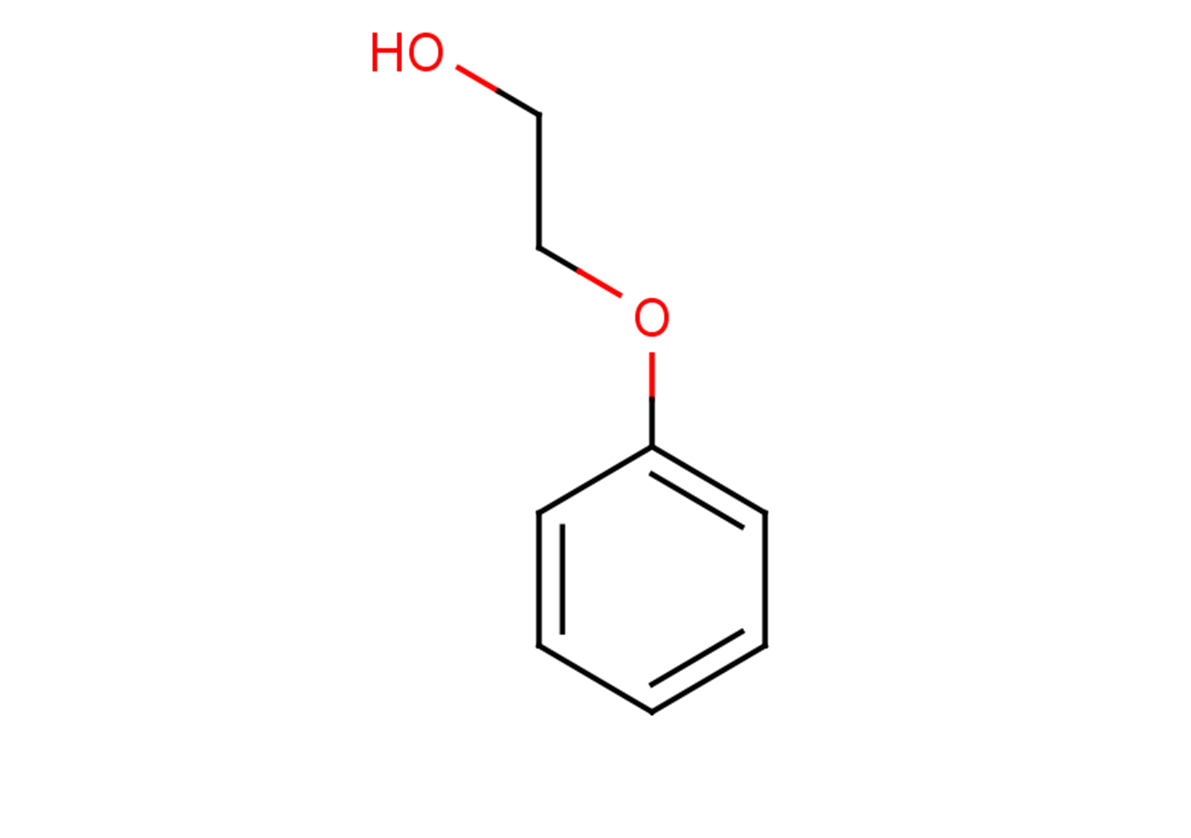
Phenoxyethanol
CAS No. 122-99-6
Phenoxyethanol( NSC 1864 | NSC-1864 | NSC1864 )
Catalog No. M23407 CAS No. 122-99-6
Phenoxyethanol is germicidal. It often used together with quaternary ammonium compounds.
Purity : >98% (HPLC)
 COA
Datasheet
HNMR
HPLC
MSDS
Handing Instructions
COA
Datasheet
HNMR
HPLC
MSDS
Handing Instructions
| Size | Price / USD | Stock | Quantity |
| 1 mL x 10 mM in DMSO | 43 | In Stock |


|
| 100MG | Get Quote | In Stock |
|
| 200MG | Get Quote | In Stock |
|
| 500MG | Get Quote | In Stock |
|
| 1G | 45 | In Stock |
|
Biological Information
-
Product NamePhenoxyethanol
-
NoteResearch use only, not for human use.
-
Brief DescriptionPhenoxyethanol is germicidal. It often used together with quaternary ammonium compounds.
-
DescriptionPhenoxyethanol is germicidal. It often used together with quaternary ammonium compounds.
-
In Vitro——
-
In Vivo——
-
SynonymsNSC 1864 | NSC-1864 | NSC1864
-
PathwayOthers
-
TargetOther Targets
-
RecptorOthers
-
Research Area——
-
Indication——
Chemical Information
-
CAS Number122-99-6
-
Formula Weight138.17
-
Molecular FormulaC8H10O2
-
Purity>98% (HPLC)
-
SolubilityDMSO:Soluble
-
SMILESOCCOC1=CC=CC=C1
-
Chemical Name——
Shipping & Storage Information
-
Storage(-20℃)
-
ShippingWith Ice Pack
-
Stability≥ 2 years
Reference
1.Soltanian S, Hoseinifar SH, Gholamhosseini A. Modulation of rainbow trout (Oncorhynchus mykiss) cutaneous mucosal immune responses following anesthesia: A comparative study on different anesthetic agents. Fish Shellfish Immunol. 2018 Jun 16. pii: S1050-4648(18)30373-5. doi: 10.1016/j.fsi.2018.06.032. [Epub ahead of print] PubMed PMID: 29920385.
molnova catalog



related products
-
Episyringaresinol
Episyringaresinol is a natural lignan isolated from Kalimeris indica.
-
6-Hydroxykaempferol ...
6-Hydroxykaempferol 3-beta-rutinoside is a natural product.
-
Chicanine
Chicanine has anti-inflammatory activity in macrophages by down-regulating LPS-induced inflammatory cytokines in IκBα±/MAPK/ERK signaling pathways.
