


 Cart
Cart
 sales@molnova.com


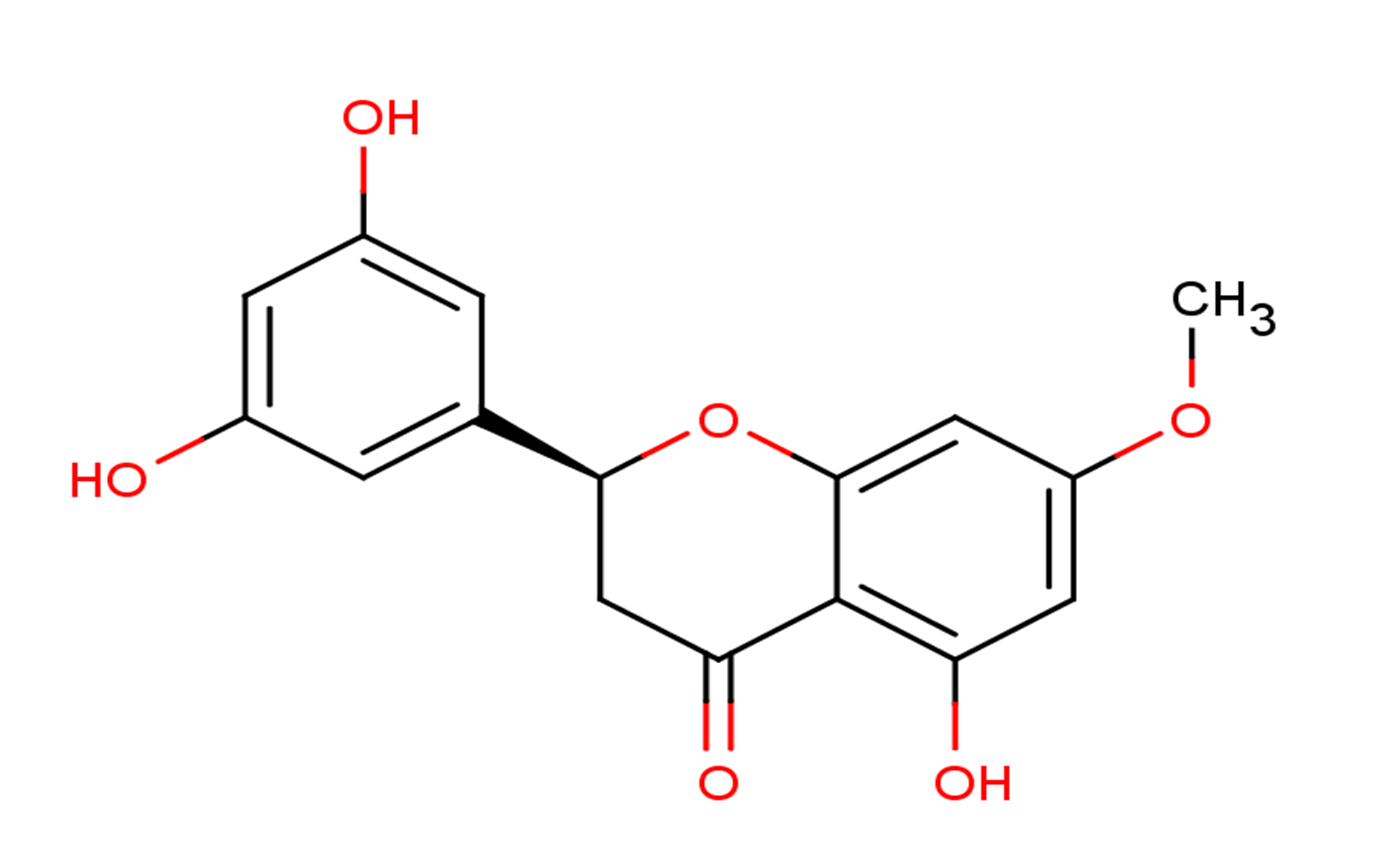
Blumeatin
CAS No. 118024-26-3
Blumeatin( —— )
Catalog No. M23347 CAS No. 118024-26-3
Blumeatin has antioxidant properties, free radical scavenging activity,and has xanthine oxidase (XO) inhibitory activity.
Purity : >98% (HPLC)
 COA
Datasheet
HNMR
HPLC
MSDS
Handing Instructions
COA
Datasheet
HNMR
HPLC
MSDS
Handing Instructions
| Size | Price / USD | Stock | Quantity |
| 1 mL x 10 mM in DMSO | 103 | In Stock |


|
| 5MG | 155 | In Stock |
|
| 10MG | 250 | In Stock |
|
| 25MG | 424 | In Stock |
|
| 50MG | 600 | In Stock |
|
| 100MG | Get Quote | In Stock |
|
| 200MG | Get Quote | In Stock |
|
| 500MG | Get Quote | In Stock |
|
| 1G | Get Quote | In Stock |
|
Biological Information
-
Product NameBlumeatin
-
NoteResearch use only, not for human use.
-
Brief DescriptionBlumeatin has antioxidant properties, free radical scavenging activity,and has xanthine oxidase (XO) inhibitory activity.
-
DescriptionBlumeatin has antioxidant properties, free radical scavenging activity,and has xanthine oxidase (XO) inhibitory activity.
-
In Vitro——
-
In Vivo——
-
Synonyms——
-
PathwayImmunology/Inflammation
-
TargetROS
-
RecptorXO
-
Research Area——
-
Indication——
Chemical Information
-
CAS Number118024-26-3
-
Formula Weight302.29
-
Molecular FormulaC16H14O6
-
Purity>98% (HPLC)
-
SolubilityDMSO:250 mg/mL (827.05 mM; Need ultrasonic)
-
SMILESO=C1C[C@@H](C2=CC(O)=CC(O)=C2)OC3=CC(OC)=CC(O)=C13
-
Chemical Name——
Shipping & Storage Information
-
Storage(-20℃)
-
ShippingWith Ice Pack
-
Stability≥ 2 years
Reference
1.Free radical-scavenging activity of organic extracts and of pure flavonoids of Blumea balsamifera DC leaves.Food Chem., 2004, 88(2):243-52.
molnova catalog



related products
-
Heme Oxygenase-1-IN-...
HO-1-IN-1 is a heme oxygenase 1 (HO-1) inhibitor (IC50: 250 nM).
-
3,5-Di-tert-butylphe...
3,5-Di-tert-butylphenol induces accumulation of reactive oxygen species. 3,5-Di-tert-butylphenol exhibits anti-biofilm and antifungal activities.
-
ROS kinases-IN-2
ROS kinases-IN-2, with an inhibition rate of 21.53% at 10 μM, is a potent ROS kinase inhibitor with potential anticancer activity and applications in studying abnormal cell growth.
