


 Cart
Cart
 sales@molnova.com


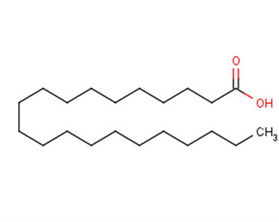
Heneicosanoic acid
CAS No. 2363-71-5
Heneicosanoic acid( Heneicosylic Acid | C21:0 )
Catalog No. M20013 CAS No. 2363-71-5
Heneicosanoic acid (HEA) is a fatty acid found in human milk fat. HEA is also a part of the phospholipids of the articular cartilage boundary lubricant. HEA is a constituent of red blood cell fatty acids.
Purity : >98% (HPLC)
 COA
Datasheet
HNMR
HPLC
MSDS
Handing Instructions
COA
Datasheet
HNMR
HPLC
MSDS
Handing Instructions
| Size | Price / USD | Stock | Quantity |
| 1 mL x 10 mM in DMSO | 37 | In Stock |


|
| 100MG | 33 | In Stock |
|
| 200MG | Get Quote | In Stock |
|
| 500MG | Get Quote | In Stock |
|
| 1G | Get Quote | In Stock |
|
Biological Information
-
Product NameHeneicosanoic acid
-
NoteResearch use only, not for human use.
-
Brief DescriptionHeneicosanoic acid (HEA) is a fatty acid found in human milk fat. HEA is also a part of the phospholipids of the articular cartilage boundary lubricant. HEA is a constituent of red blood cell fatty acids.
-
DescriptionHeneicosanoic acid (HEA) is a fatty acid found in human milk fat. HEA is also a part of the phospholipids of the articular cartilage boundary lubricant. HEA is a constituent of red blood cell fatty acids.
-
In Vitro——
-
In Vivo——
-
SynonymsHeneicosylic Acid | C21:0
-
PathwayOthers
-
TargetOther Targets
-
RecptorOthers
-
Research Area——
-
Indication——
Chemical Information
-
CAS Number2363-71-5
-
Formula Weight326.56
-
Molecular FormulaC21H42O2
-
Purity>98% (HPLC)
-
SolubilityEthanol: 20 mg/mL;DMSO: Soluble
-
SMILESCCCCCCCCCCCCCCCCCCCCC(O)=O
-
Chemical Name——
Shipping & Storage Information
-
Storage(-20℃)
-
ShippingWith Ice Pack
-
Stability≥ 2 years
Reference
1.Mosley EE et al. trans Fatty acids in milk produced by women in the United States. Am J Clin Nutr. 2005 Dec;82(6):1292-7.
molnova catalog



related products
-
Cyclobisdemethoxycur...
Cyclobisdemethoxycurcumin is an antioxidant agent with IC50s of ~250 μM and 15-20 μM in DPPH radical scavenging assay and 2-DR oxidation assay, respectively.
-
(Z)-Indirubin
(Z)-Indirubin is an isomer of Indirubin. Indirubin is a bis-indole alkaloid and has emarkable anticancer activity against chronic myelocytic leukemia.
-
2E-3-formaldehydylos...
The herbs of Murraya exotica L.
