


 Cart
Cart
 sales@molnova.com


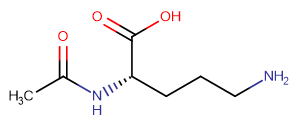
N-Acetyl-L-ornithine
CAS No. 6205-08-9
N-Acetyl-L-ornithine( N-Acetylornithine | Acetyl-ornithine )
Catalog No. M19991 CAS No. 6205-08-9
N-Acetylornithine is a minor component of deproteinized blood plasma of human blood. Human blood plasma contains a variable amount of acetylornithine averaging 1.1 +/- 0.4 μmol/L.
Purity : >98% (HPLC)
 COA
Datasheet
HNMR
HPLC
MSDS
Handing Instructions
COA
Datasheet
HNMR
HPLC
MSDS
Handing Instructions
| Size | Price / USD | Stock | Quantity |
| 100MG | 43 | In Stock |


|
| 200MG | Get Quote | In Stock |
|
| 500MG | Get Quote | In Stock |
|
| 1G | Get Quote | In Stock |
|
Biological Information
-
Product NameN-Acetyl-L-ornithine
-
NoteResearch use only, not for human use.
-
Brief DescriptionN-Acetylornithine is a minor component of deproteinized blood plasma of human blood. Human blood plasma contains a variable amount of acetylornithine averaging 1.1 +/- 0.4 μmol/L.
-
DescriptionN-Acetylornithine is a minor component of deproteinized blood plasma of human blood. Human blood plasma contains a variable amount of acetylornithine averaging 1.1 +/- 0.4 μmol/L. Urine contains a very small amount of acetylornithine approximately 1 nmol/mg creatinine (1 μmol/day).
-
In Vitro——
-
In Vivo——
-
SynonymsN-Acetylornithine | Acetyl-ornithine
-
PathwayOthers
-
TargetOther Targets
-
RecptorOthers
-
Research Area——
-
Indication——
Chemical Information
-
CAS Number6205-08-9
-
Formula Weight174.2
-
Molecular FormulaC7H14N2O3
-
Purity>98% (HPLC)
-
SolubilityWater:97.6 mM
-
SMILESCC(=O)N[C@@H](CCCN)C(O)=O
-
Chemical Name——
Shipping & Storage Information
-
Storage(-20℃)
-
ShippingWith Ice Pack
-
Stability≥ 2 years
Reference
1.Sreekumar A et al. Metabolomic profiles delineate potential role for sarcosine in prostate cancer progression. Nature. 2009 Feb 12;457(7231):910-4.
molnova catalog



related products
-
Biotin-LL-37
Biotin-LL-37
-
Isorutarin
Isorutarin is a natural product that can be isolated from the seeds of Apium graueolens.
-
Sanggenol S
Sanggenol S
