


 Cart
Cart
 sales@molnova.com


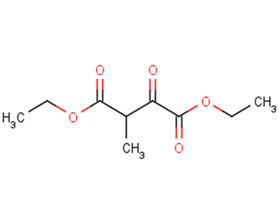
Diethyl oxalpropionate
CAS No. 759-65-9
Diethyl oxalpropionate( HYL 2-METHYL-3-OXOSUCCINATE )
Catalog No. M19661 CAS No. 759-65-9
Diethyl oxalpropionate also known as methyloxalacetic acid diethyl ester or diethyl methyloxalacetate is a member of the class of compounds known as beta-keto acids and derivatives. These compounds are organic compounds containing an aldehyde substituted with a keto group on the C3 carbon atom.
Purity : >98% (HPLC)
 COA
Datasheet
HNMR
HPLC
MSDS
Handing Instructions
COA
Datasheet
HNMR
HPLC
MSDS
Handing Instructions
| Size | Price / USD | Stock | Quantity |
| 100MG | Get Quote | In Stock |


|
| 200MG | Get Quote | In Stock |
|
| 500MG | 37 | In Stock |
|
| 1G | Get Quote | In Stock |
|
Biological Information
-
Product NameDiethyl oxalpropionate
-
NoteResearch use only, not for human use.
-
Brief DescriptionDiethyl oxalpropionate also known as methyloxalacetic acid diethyl ester or diethyl methyloxalacetate is a member of the class of compounds known as beta-keto acids and derivatives. These compounds are organic compounds containing an aldehyde substituted with a keto group on the C3 carbon atom.
-
DescriptionDiethyl oxalpropionate also known as methyloxalacetic acid diethyl ester or diethyl methyloxalacetate is a member of the class of compounds known as beta-keto acids and derivatives. These compounds are organic compounds containing an aldehyde substituted with a keto group on the C3 carbon atom. Diethyl oxalpropionate is slightly soluble (in water) and a very weakly acidic compound (based on its pKa). Within the cell diethyl oxalpropionate is primarily located in the cytoplasm.
-
In Vitro——
-
In Vivo——
-
SynonymsHYL 2-METHYL-3-OXOSUCCINATE
-
PathwayProteasome/Ubiquitin
-
TargetEndogenous Metabolite
-
Recptorothers
-
Research Area——
-
Indication——
Chemical Information
-
CAS Number759-65-9
-
Formula Weight202.2
-
Molecular FormulaC9H14O5
-
Purity>98% (HPLC)
-
SolubilityDMSO:10 mM
-
SMILESCCOC(=O)C(C)C(=O)C(=O)OCC
-
Chemical Name——
Shipping & Storage Information
-
Storage(-20℃)
-
ShippingWith Ice Pack
-
Stability≥ 2 years
Reference
molnova catalog



related products
-
C2 Dihydro Ceramide ...
C2 Dihydro Ceramide (d18:0/2:0) (C2 Dihydroceramide) is a short-chain ceramide that is a precursor of ceramide synthesis and stimulates ABCA1-mediated cholesterol efflux.
-
2-Picolinic acid
PCL 016 is a topical antiviral agent which inhibits adenovirus replication in rabbit.
-
10Z-Nonadecenoic aci...
10Z-Nonadecenoic acid is a kind of long-chain fatty acid with anti-tumor activity.
