


 Cart
Cart
 sales@molnova.com


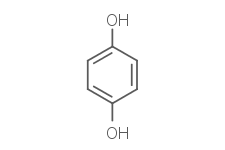
Hydroquinone
CAS No. 123-31-9
Hydroquinone( Quinol | 14-Benzenediol | 14-Dihydroxybenzene | HQ )
Catalog No. M19502 CAS No. 123-31-9
Hydroquinone is a Melanin Synthesis Inhibitor. The mechanism of action of hydroquinone is as a Melanin Synthesis Inhibitor. The physiologic effect of hydroquinone is by means of Depigmenting Activity.
Purity : >98% (HPLC)
 COA
Datasheet
HNMR
HPLC
MSDS
Handing Instructions
COA
Datasheet
HNMR
HPLC
MSDS
Handing Instructions
| Size | Price / USD | Stock | Quantity |
| 100MG | Get Quote | Get Quote |


|
| 200MG | Get Quote | Get Quote |
|
| 500MG | Get Quote | Get Quote |
|
| 1G | Get Quote | Get Quote |
|
Biological Information
-
Product NameHydroquinone
-
NoteResearch use only, not for human use.
-
Brief DescriptionHydroquinone is a Melanin Synthesis Inhibitor. The mechanism of action of hydroquinone is as a Melanin Synthesis Inhibitor. The physiologic effect of hydroquinone is by means of Depigmenting Activity.
-
DescriptionHydroquinone is a Melanin Synthesis Inhibitor. The mechanism of action of hydroquinone is as a Melanin Synthesis Inhibitor. The physiologic effect of hydroquinone is by means of Depigmenting Activity.
-
In Vitro——
-
In Vivo——
-
SynonymsQuinol | 14-Benzenediol | 14-Dihydroxybenzene | HQ
-
PathwayImmunology/Inflammation
-
TargetROS
-
RecptorAntioxidant
-
Research AreaMetabolic Disease
-
IndicationMelanosis
Chemical Information
-
CAS Number123-31-9
-
Formula Weight110.11
-
Molecular FormulaC6H6O2
-
Purity>98% (HPLC)
-
SolubilityDMSO:199.8 mM;Water:199.8 mM
-
SMILESOC1=CC=C(O)C=C1
-
Chemical Namehydroquinone
Shipping & Storage Information
-
Storage(-20℃)
-
ShippingWith Ice Pack
-
Stability≥ 2 years
Reference
1.Khoshneviszadeh R et al. Iran J Pharm Res. 2015 Spring; 14(2):473-8.
molnova catalog



related products
-
Secoisolariciresinol...
Secoisolariciresinol diglucoside (LGM2605) was cytoprotective in an in vitro model of iron overload-induced redox-inflammatory damage.
-
Carminic acid
Carminic acid, the well-known red dyestuff from cochineal insects (Dactylopius spp.), is a potent feeding deterrent to ants.
-
NS309
NS309 is a nonselective activator of small- and intermediate-conductance Ca2+-activated K+ (SK/KCa2 and IK/KCa3.1) channels (EC50s range from 0.12-1.2 μM for SK channels and 10-90 nM for IK channels).
