


 Cart
Cart
 sales@molnova.com


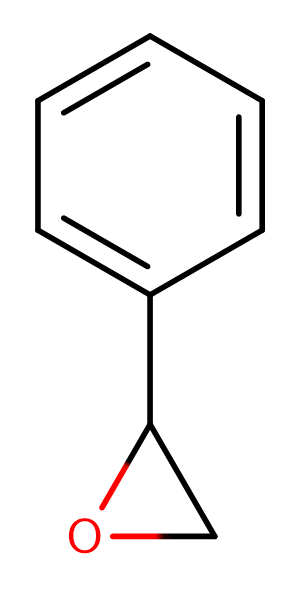
Styrene oxide
CAS No. 96-09-3
Styrene oxide( —— )
Catalog No. M19497 CAS No. 96-09-3
Styrene oxide is an epoxide derived from styrene. It can be prepared by epoxidation of styrene with peroxybenzoic acid.
Purity : >98% (HPLC)
 COA
Datasheet
HNMR
HPLC
MSDS
Handing Instructions
COA
Datasheet
HNMR
HPLC
MSDS
Handing Instructions
| Size | Price / USD | Stock | Quantity |
| 100MG | Get Quote | Get Quote |


|
| 200MG | Get Quote | Get Quote |
|
| 500MG | Get Quote | Get Quote |
|
| 1G | Get Quote | Get Quote |
|
Biological Information
-
Product NameStyrene oxide
-
NoteResearch use only, not for human use.
-
Brief DescriptionStyrene oxide is an epoxide derived from styrene. It can be prepared by epoxidation of styrene with peroxybenzoic acid.
-
DescriptionStyrene oxide is an epoxide derived from styrene. It can be prepared by epoxidation of styrene with peroxybenzoic acid.
-
In Vitro——
-
In Vivo——
-
Synonyms——
-
PathwayOthers
-
TargetOther Targets
-
Recptorepoxide hydrolase
-
Research Area——
-
Indication——
Chemical Information
-
CAS Number96-09-3
-
Formula Weight120.15
-
Molecular FormulaC8H8O
-
Purity>98% (HPLC)
-
SolubilityDMSO:10 mM
-
SMILESC1OC1C1=CC=CC=C1
-
Chemical Name——
Shipping & Storage Information
-
Storage(-20℃)
-
ShippingWith Ice Pack
-
Stability≥ 2 years
Reference
1.Shen S et al. Biotechnol Lett. 2013 Apr; 35(4):599-606.
molnova catalog



related products
-
1-(4-FLUORO-PHENYL)-...
1-(4-FLUORO-PHENYL)-BUTAN-1-ONE
-
CD73-IN-4
CD73-IN-4 is a potent and selective methylenephosphonic acid?CD73?inhibitor.
-
Nepsilon-Acetyl-L-ly...
Nepsilon-Acetyl-L-lysine is a derivative of the amino acid lysine.
