


 Cart
Cart
 sales@molnova.com


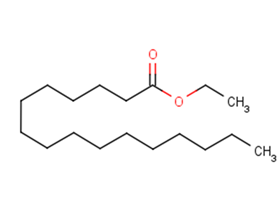
Palmitic acid ethyl ester
CAS No. 628-97-7
Palmitic acid ethyl ester( —— )
Catalog No. M18926 CAS No. 628-97-7
Used as softener and lubricant.
Purity : >98% (HPLC)
 COA
Datasheet
HNMR
HPLC
MSDS
Handing Instructions
COA
Datasheet
HNMR
HPLC
MSDS
Handing Instructions
| Size | Price / USD | Stock | Quantity |
| 100MG | Get Quote | In Stock |


|
| 200MG | Get Quote | In Stock |
|
| 500MG | Get Quote | In Stock |
|
| 1G | 27 | In Stock |
|
Biological Information
-
Product NamePalmitic acid ethyl ester
-
NoteResearch use only, not for human use.
-
Brief DescriptionUsed as softener and lubricant.
-
DescriptionUsed as softener and lubricant.
-
In Vitro——
-
In Vivo——
-
Synonyms——
-
PathwayOthers
-
TargetOther Targets
-
RecptorOthers
-
Research AreaOthers-Field
-
Indication——
Chemical Information
-
CAS Number628-97-7
-
Formula Weight284.48
-
Molecular FormulaC18H36O2
-
Purity>98% (HPLC)
-
SolubilityIn Vitro:?DMSO : 100 mg/mL (351.52 mM)
-
SMILESCCCCCCCCCCCCCCCC(=O)OCC
-
Chemical Name——
Shipping & Storage Information
-
Storage(-20℃)
-
ShippingWith Ice Pack
-
Stability≥ 2 years
Reference
molnova catalog



related products
-
β-Amyloid Protein Pr...
β-Amyloid Protein Precursor (657 - 676)
-
mogroside IV
Mogrosides IV is a sweet minor cucurbitane glycoside it exhibits maltase inhibitory effect(IC50 : 10 mM) and with antioxidant antidiabetic and anticancer activities.
-
Xanthinol Nicotinate
Xanthinol Nicotinate is a potent vasodilator that can easily enter the cell and causes an increase in glucose metabolism resulting in an increased energy.
