


 Cart
 sales@molnova.com


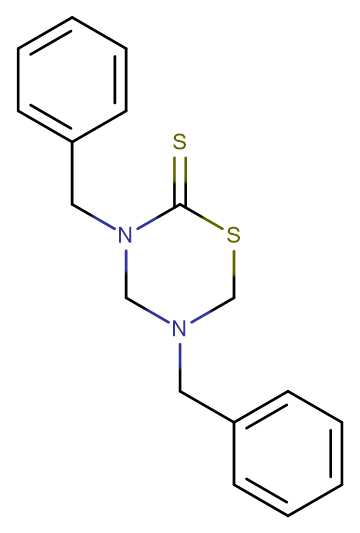
Sulbentine
CAS No. 350-12-9
Sulbentine( Sulbentine | NSC 150555 | NSC150555 | NSC-150555 )
Catalog No. M14195 CAS No. 350-12-9
Sulbentine is an antifungal agent.
Purity : >98% (HPLC)
 COA
Datasheet
HNMR
HPLC
MSDS
Handing Instructions
| Size | Price / USD | Stock | Quantity |
| 1 mL x 10 mM in DMSO | 61 | In Stock |


|
| 10MG | 28 | In Stock |
|
| 100MG | Get Quote | In Stock |
|
| 200MG | Get Quote | In Stock |
|
| 500MG | Get Quote | In Stock |
|
| 1G | Get Quote | In Stock |
|
Biological Information
-
Product NameSulbentine
-
NoteResearch use only, not for human use.
-
Brief DescriptionSulbentine is an antifungal agent.
-
DescriptionSulbentine is an antifungal agent.
-
In Vitro——
-
In Vivo——
-
SynonymsSulbentine | NSC 150555 | NSC150555 | NSC-150555
-
PathwayOthers
-
TargetOther Targets
-
RecptorOthers
-
Research AreaInfection
-
Indication——
Chemical Information
-
CAS Number350-12-9
-
Formula Weight314.47
-
Molecular FormulaC17H18N2S2
-
Purity>98% (HPLC)
-
SolubilityDMSO: 10 mM
-
SMILESS=C1SCN(CC2=CC=CC=C2)CN1CC3=CC=CC=C3
-
Chemical Name2H-1,3,5-Thiadiazine-2-thione, tetrahydro-3,5-bis(phenylmethyl)-
Shipping & Storage Information
-
Storage(-20℃)
-
ShippingWith Ice Pack
-
Stability≥ 2 years
Reference
1. K, et alPharmazie. 1997 May;52(5):362-73.
molnova catalog


related products
-
D-Cellobiose
Cellobiose is a disaccharide, a reducing sugar, consists of two β-glucose molecules linked by a β(1→4) bond. It can be hydrolyzed to glucose enzymatically or with acid.
-
Pimecrolimus
Pimecrolimus, like all ascomycins, is an immunophilin ligand, which binds specifically to the cytosolic receptor, immunophilin macrophilin-12.
-
Moth Cytochrome C (M...
Moth Cytochrome C (MCC) (88-103), derived from the carboxyl terminus of moth cytochrome c, induces positive selection of TCR transgenic thymocytes.This peptide is derived from the carboxyl terminus of moth cytochrome c. Thymic positive and negative selections govern the development of a self-MHC-reactive, yet self-tolerant, T cell repertoire.
