


 Cart
Cart
 sales@molnova.com


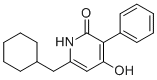
NITD-564
CAS No. 1614262-75-7
NITD-564( NITD564 )
Catalog No. M12348 CAS No. 1614262-75-7
NITD-564 is a novel, direct inhibitor of the mycobacterial enoyl-reductase InhA with IC50 of 0.59 uM, exhibits MIC50 of 160 nM against Mtb.
Purity : >98% (HPLC)
 COA
Datasheet
HNMR
HPLC
MSDS
Handing Instructions
COA
Datasheet
HNMR
HPLC
MSDS
Handing Instructions
| Size | Price / USD | Stock | Quantity |
| 100MG | Get Quote | Get Quote |


|
| 200MG | Get Quote | Get Quote |
|
| 500MG | Get Quote | Get Quote |
|
| 1G | Get Quote | Get Quote |
|
Biological Information
-
Product NameNITD-564
-
NoteResearch use only, not for human use.
-
Brief DescriptionNITD-564 is a novel, direct inhibitor of the mycobacterial enoyl-reductase InhA with IC50 of 0.59 uM, exhibits MIC50 of 160 nM against Mtb.
-
DescriptionNITD-564 is a novel, direct inhibitor of the mycobacterial enoyl-reductase InhA with IC50 of 0.59 uM, exhibits MIC50 of 160 nM against Mtb; binds specifically to InhA in an NADH-dependent manner and blocks the enoyl substrate-binding pocket; shows in vivo efficacy in acute and established mouse models of Mycobacterium tuberculosis infection.
-
In Vitro——
-
In Vivo——
-
SynonymsNITD564
-
PathwayGPCR/G Protein
-
TargetAntibacterial
-
RecptorAntibacterial
-
Research Area——
-
Indication——
Chemical Information
-
CAS Number1614262-75-7
-
Formula Weight283.371
-
Molecular FormulaC18H21NO2
-
Purity>98% (HPLC)
-
Solubility——
-
SMILES——
-
Chemical Name6-(cyclohexylmethyl)-4-hydroxy-3-phenylpyridin-2(1H)-one
Shipping & Storage Information
-
Storage(-20℃)
-
ShippingWith Ice Pack
-
Stability≥ 2 years
Reference
1. Manjunatha UH, et al. Sci Transl Med. 2015 Jan 7;7(269):269ra3.
molnova catalog



related products
-
WCK-5153
WCK-5153 is an enhancer of β-Lactamase and an inhibitor of PBP2 with antimicrobial activities against Pseudomonas aeruginosa.
-
Melitracen hydrochlo...
Melitracen Hydrochloride, an antidepressant, is used as potential dopamine D1/2 receptor antagonist to treat depression.
-
HA5
HA5 has antimicrobial activity and inhibits the biofilm formation of Streptococcus mutans with an IC50 value of 6.42 μM. HA5 inhibits the production of Streptococcus mutans dextran and the level of eDNA, but it does not inhibit the growth of Streptococcus mutans.
