


 Cart
Cart
 sales@molnova.com


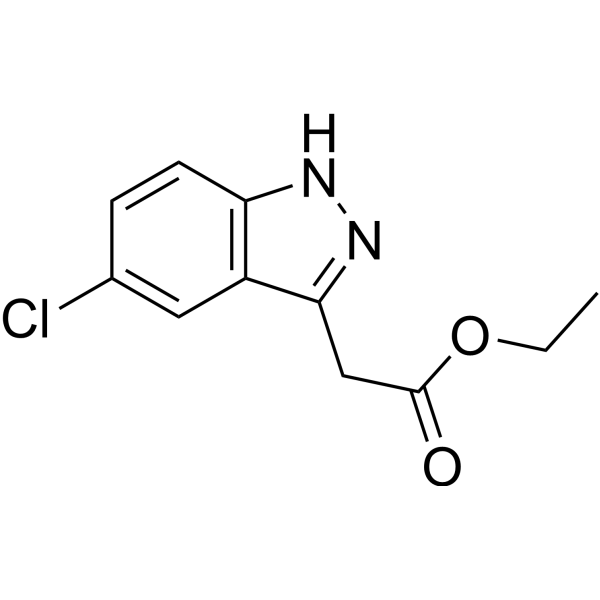
Ethychlozate
CAS No. 27512-72-7
Ethychlozate( IZAA | Figaron )
Catalog No. M27209 CAS No. 27512-72-7
Ethychlozate is a chemical agent that can accelerate coloration and enhance fruit quality.
Purity : >98% (HPLC)
 COA
Datasheet
HNMR
HPLC
MSDS
Handing Instructions
COA
Datasheet
HNMR
HPLC
MSDS
Handing Instructions
| Size | Price / USD | Stock | Quantity |
| 5MG | 50 | In Stock |


|
| 10MG | 71 | In Stock |
|
| 25MG | 130 | In Stock |
|
| 50MG | 177 | In Stock |
|
| 100MG | 264 | In Stock |
|
| 200MG | Get Quote | In Stock |
|
| 500MG | Get Quote | In Stock |
|
| 1G | Get Quote | In Stock |
|
Biological Information
-
Product NameEthychlozate
-
NoteResearch use only, not for human use.
-
Brief DescriptionEthychlozate is a chemical agent that can accelerate coloration and enhance fruit quality.
-
DescriptionEthychlozate is a chemical agent that can accelerate coloration and enhance fruit quality.
-
In Vitro——
-
In Vivo——
-
SynonymsIZAA | Figaron
-
PathwayOthers
-
TargetOther Targets
-
Recptor——
-
Research Area——
-
Indication——
Chemical Information
-
CAS Number27512-72-7
-
Formula Weight238.67
-
Molecular FormulaC11H11ClN2O2
-
Purity>98% (HPLC)
-
Solubility——
-
SMILESCCOC(=O)Cc1n[nH]c2ccc(Cl)cc12
-
Chemical Name——
Shipping & Storage Information
-
Storage(-20℃)
-
ShippingWith Ice Pack
-
Stability≥ 2 years
Reference
1.Yuan ZX, Jha G, McGregor MA, King RS. Metabolites of the carcinogen 2-amino-alpha-carboline formed in male Sprague-Dawley rats in vivo and in rat hepatocyte and human HepG2 cell incubates. Chem Res Toxicol. 2007 Mar;20(3):497-503. Epub 2007 Feb 10.
molnova catalog



related products
-
Orobanchyl acetate
Orobanchyl acetate, a natural strigolactone, is a germination stimulant for root parasitic plants.
-
Methotrexate Triglut...
Methotrexate Triglutamate (MTXPG3) has potential anti-inflammatory activity and can be used to study arthritis and lupus erythematosus.
-
3-(Methylthio)propio...
3-methylthiopropionate is one of the metabolites of methionine (especially of D-methionine). Cultures of Streptomyces lincolnensis accumulated 3-methylthioacrylic acid in amounts directly related to the concentration of methionine in the medium. The first intermediate in the pathway may be the keto acid which is then oxidatively decarboxylated to 3-methylthiopropionic acid.
